
 한국어
 日本語
 简体中文
 Joy Dental Clinic Bongcheon
COLUMN
Doctor's Column
Dental health information and clinic news.
Implants
Upper Molar Implants: Do I Need a Sinus Lift? — Options Based on Remaining Bone Height
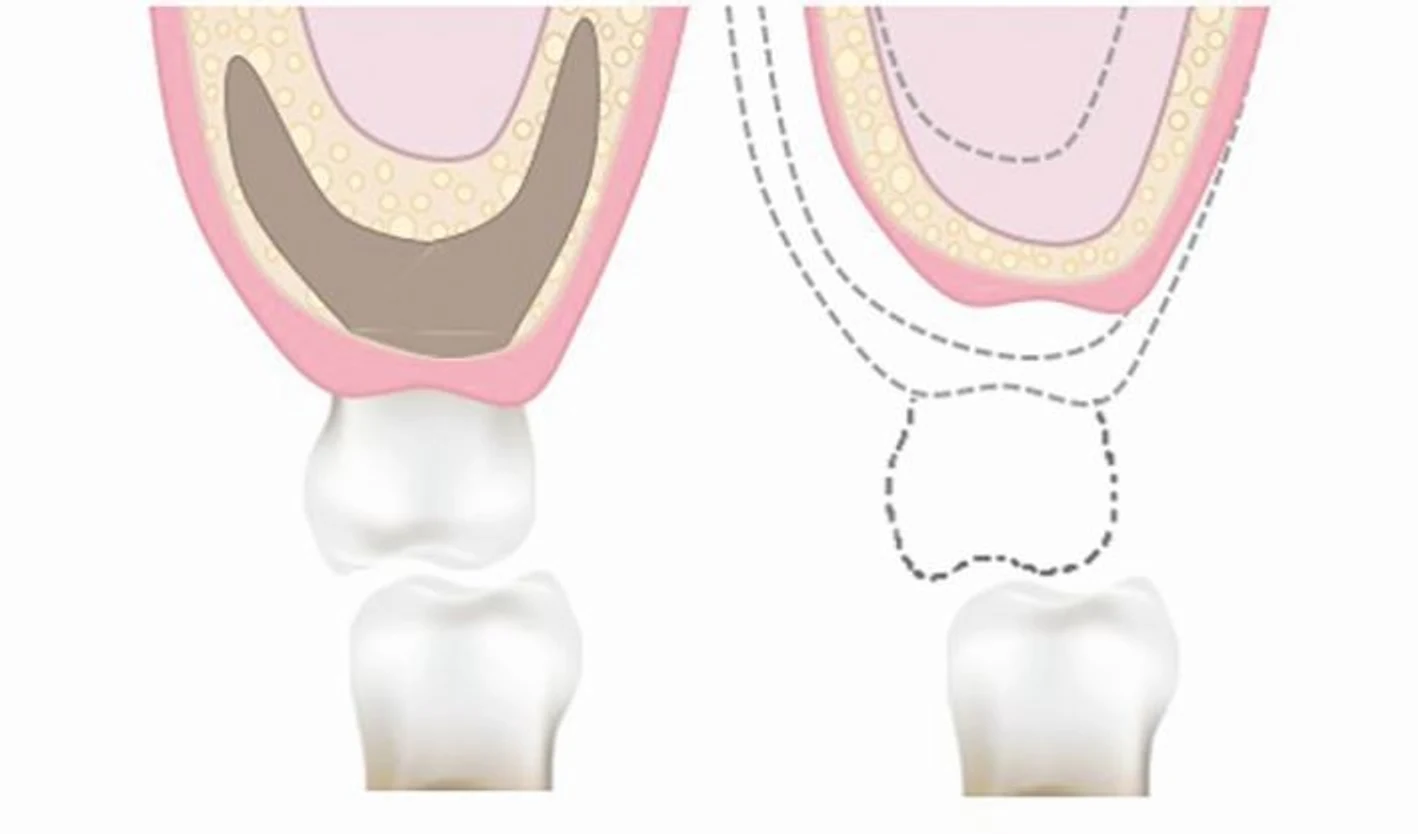
Not every upper molar implant needs a sinus lift. We measure the remaining bone height and width on CT and check the shape of the sinus floor and the condition of its lining to decide whether to place an implant without a lift, raise the lining slightly through the implant opening, lift a wider area through a side window, or consider a short implant or another option. This article explains the deciding factors, what comes first if you have a nasal or sinus condition, what a tear in the lining during surgery means, and treatment time.
2026.11.22
Implants
Is a ‘guided implant’ a different type of implant?
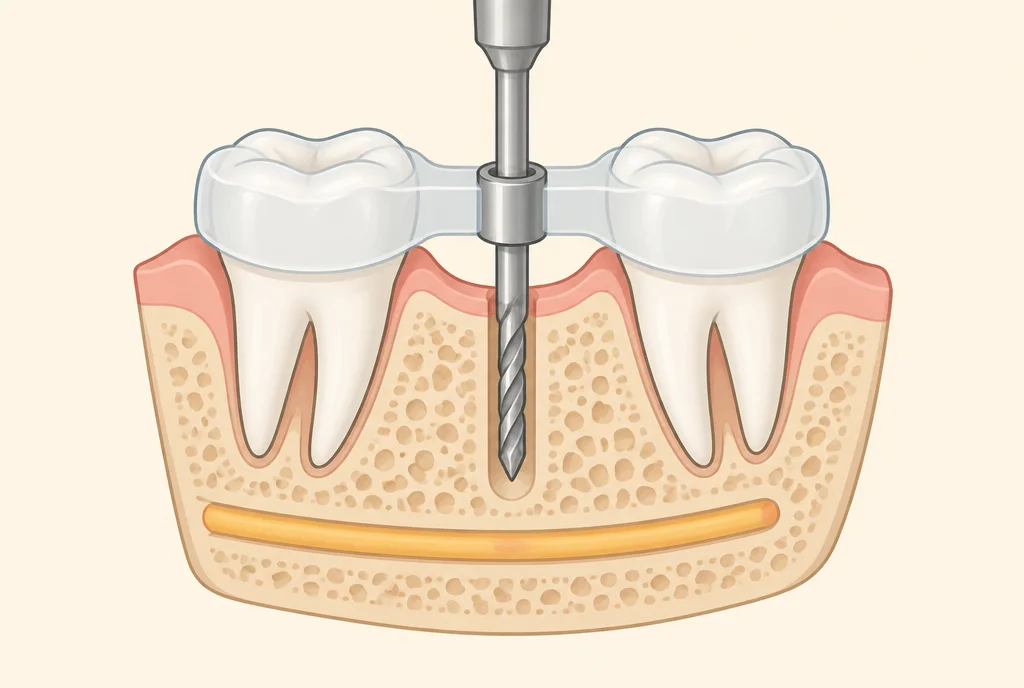
Guided implant surgery is not a type of implant product. It is a method of placing implants using a surgical guide (a custom-made template) to transfer a plan for position, angle and depth made beforehand with CT and an intraoral scan. It may help at sites close to a nerve or the maxillary sinus, or when placing several implants, but guides also have errors, so safety margins and judgment during surgery are still needed. This article covers how guides are made, what we check in the treatment room, placement without a guide, and the limitations.
2026.11.21
Implants
Can I Have Implants If I Have Had Gum Disease? — How We Decide When to Place Them
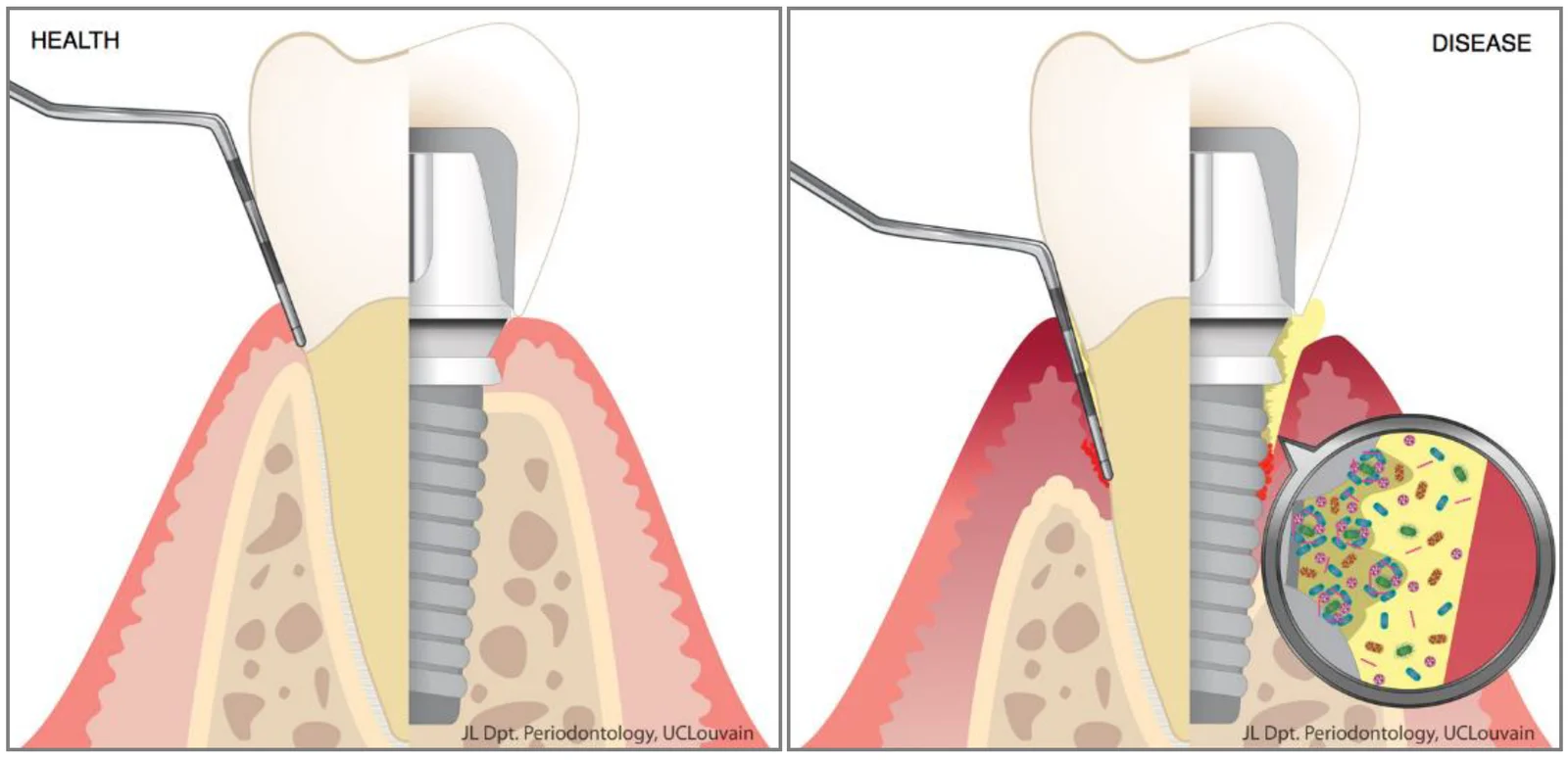
People who have had gum disease (periodontitis) can also have implants. However, studies have continued to report more peri-implantitis and bone loss in people with a history of periodontitis, so we check pocket depth, bleeding and bone height before deciding when to place implants, and check them every 6 months once the gums are stable after placement. This article covers the examination before placement, whether to save or extract loose teeth, smoking and diabetes, treatment duration and checkup intervals.
2026.11.20
Implants
When You Hear Several Company Names at an Implant Consultation, What Is Different?
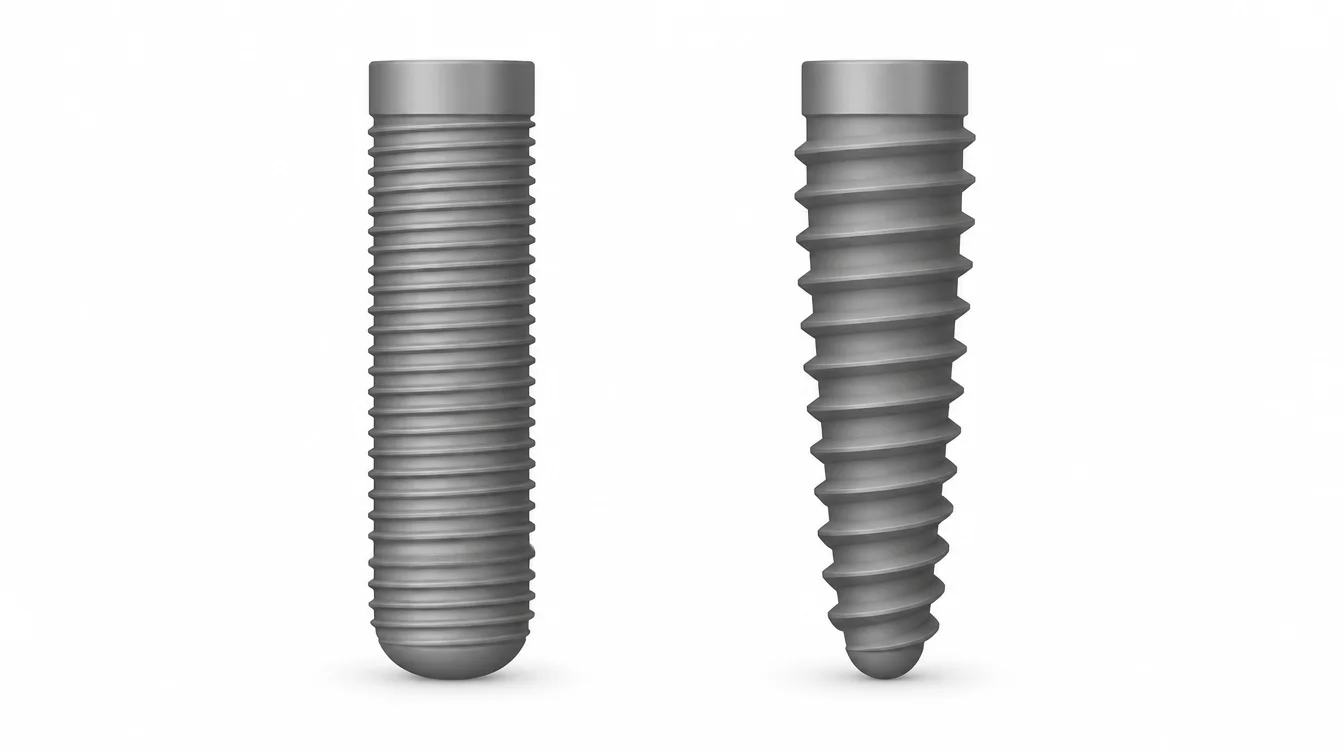
Implant companies and products differ in surface treatment, body shape and threads, and the connection that fits the components placed on top. However, a 2014 Cochrane review found no evidence that any particular type among the implants compared had better long-term outcomes. That is why, beyond the company name, we also look at whether the design suits your bone condition and whether records are kept so that components can be sourced later. This article covers product differences, what we check in the treatment room, when another option may be considered despite a product preference, and components and records.
2026.11.19
Saving Natural Teeth
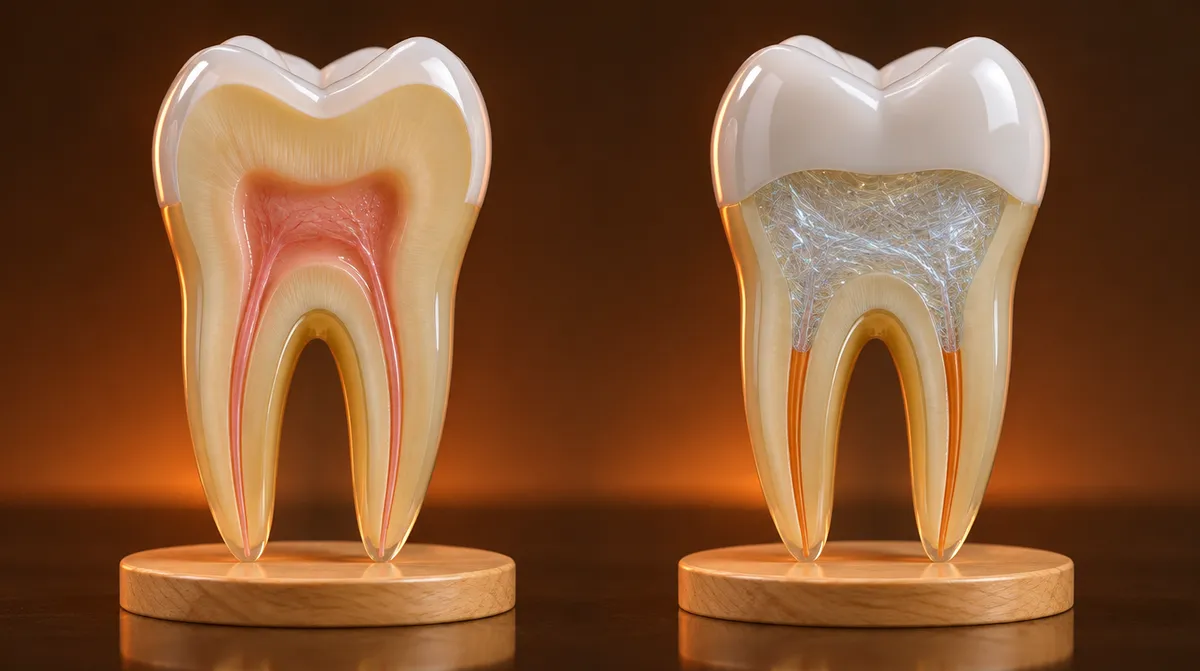
Why Can a Root Canal Treated Back Tooth Break Even with a Crown? — Glass Fiber Composite Cores
Back teeth break after root canal treatment more because of the walls lost to decay and previous restorations than because of root canal treatment itself. When the walls have become thin, we fill and support the inside with a composite containing short glass fibers before placing a restoration such as a crown or overlay. This article covers how it differs from conventional composite, which teeth it is used for and which cannot be managed with this material alone, the treatment sequence, and the cost (KRW 200,000 per tooth, not covered by Korean National Health Insurance).
2026.11.18
Saving Natural Teeth
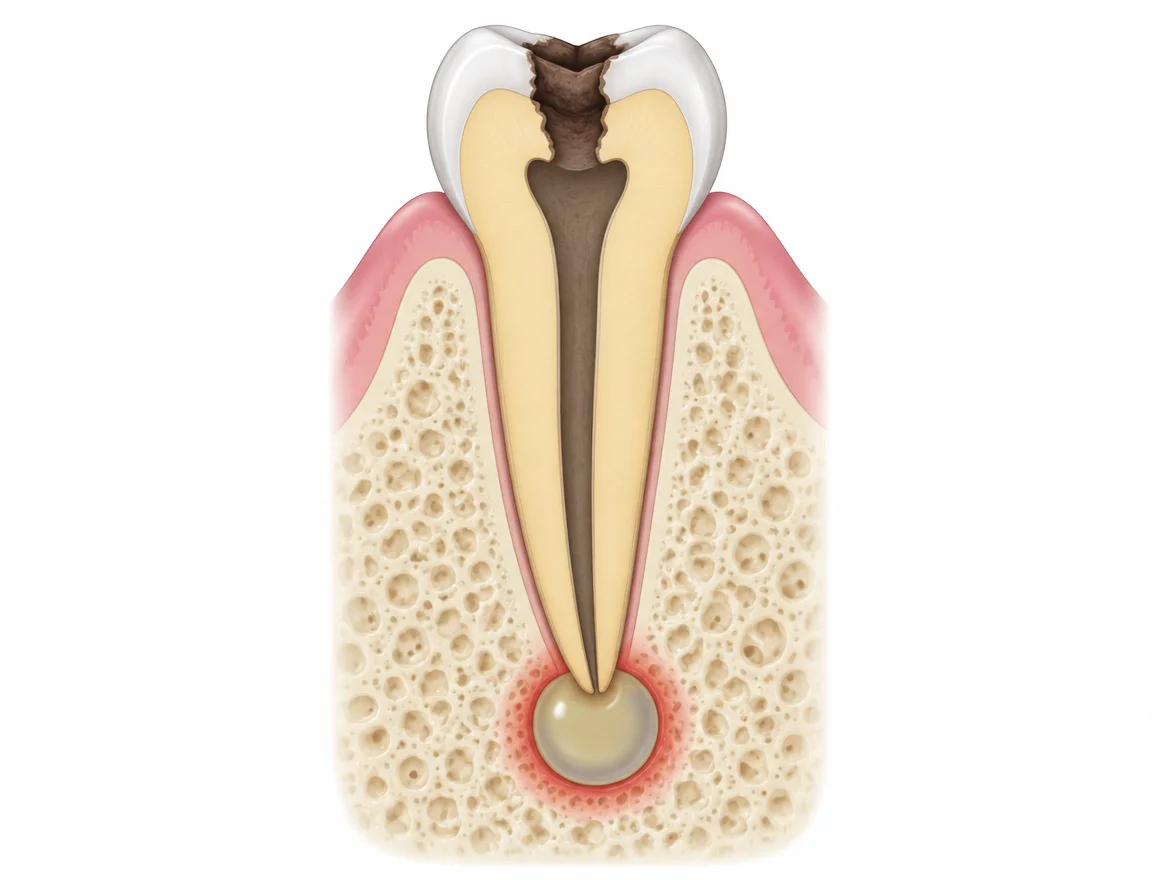
I've Been Told There Is a Cyst at the Root Tip. Do I Need Surgery Right Away?
Being told you have a fluid-filled cyst (radicular cyst) at the tip of a tooth root does not always mean immediate surgery. Most begin with bacteria inside a tooth whose pulp has died, so root canal treatment or retreatment is often used to address the cause first. The need for and order of apicoectomy or extraction depend on previous treatment and the root condition as well as size. This article explains the approach at Joy Dental Clinic Bongcheon in Bongcheon, Gwanak-gu, Seoul.
2026.11.18
Check-ups & Scaling
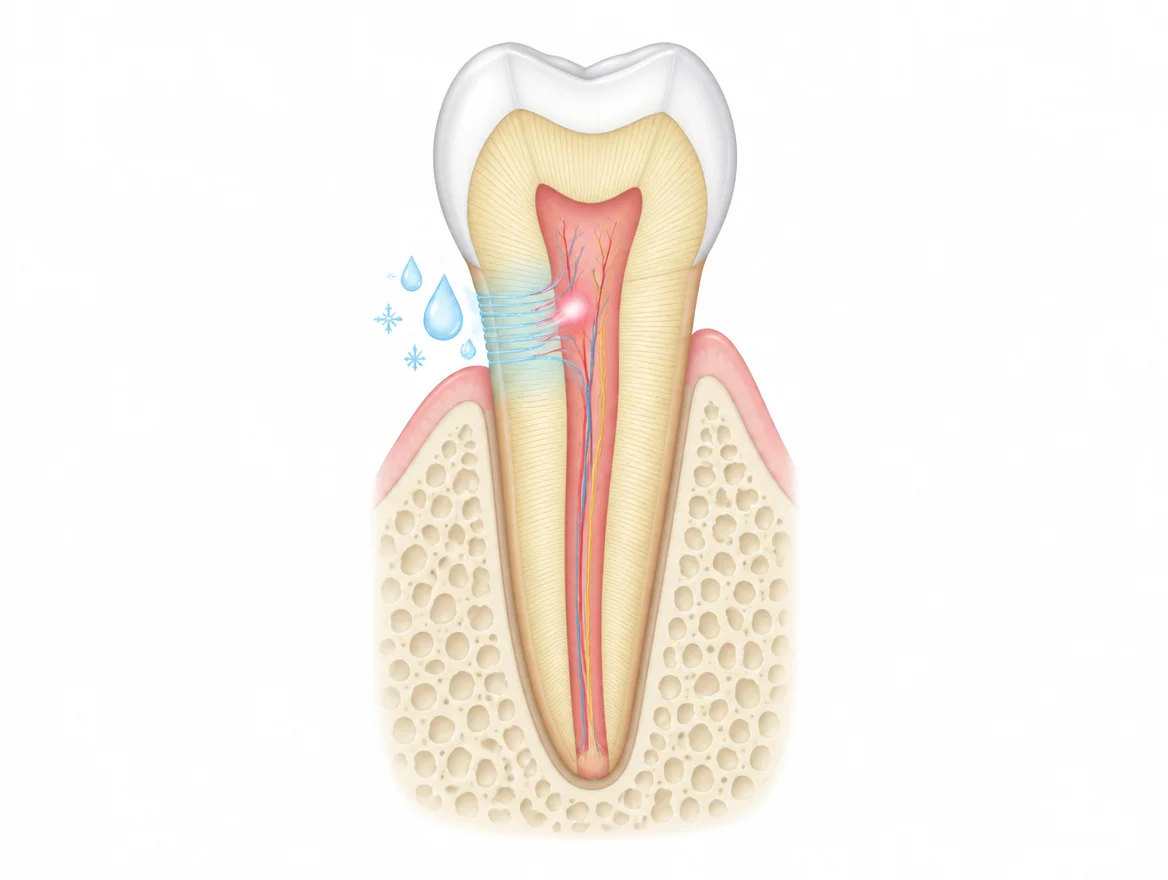
Sensitive Teeth and Receding Gums After Gum Treatment: How Do We Check What Is Normal?
Brief sensitivity to cold that lessens day by day is common during recovery after gum treatment, and gums that appear to have receded are often the result of swelling settling down. This post explains the possible causes when just one tooth gets worse or throbs on its own, and how we compare findings with the first-day records at Joy Dental Clinic Bongcheon in Bongcheon-dong, Gwanak-gu, Seoul.
2026.11.17
Saving Natural Teeth
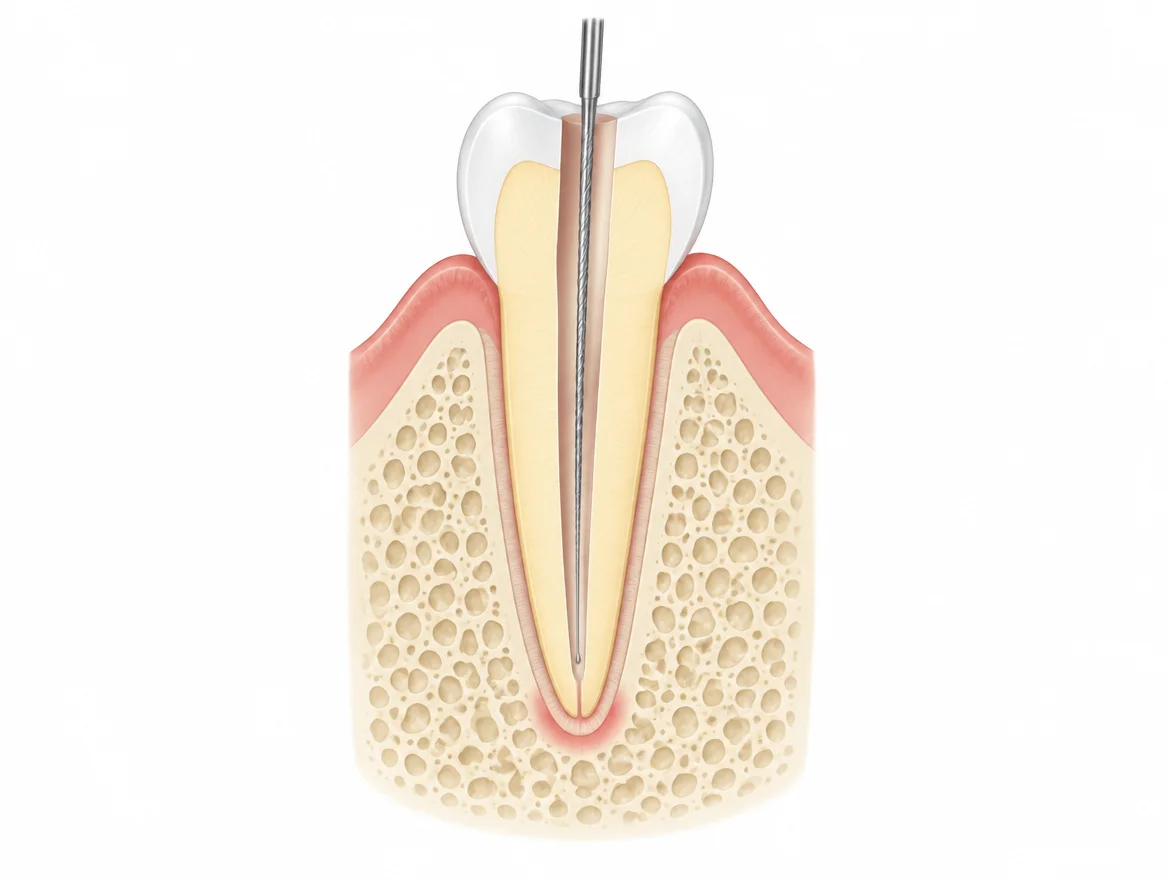
Pain During and After Root Canal Treatment: How Much Is Normal, and for How Long?
Root canal treatment is performed under local anesthesia, and soreness or throbbing when chewing for a few days afterward is a common part of recovery. This post explains when treatment itself can hurt, why pain occurs after the first visit, between visits and after the final visit, how it eases, what to do at home, when to contact the clinic and what we check in the treatment room.
2026.11.16
Check-ups & Scaling
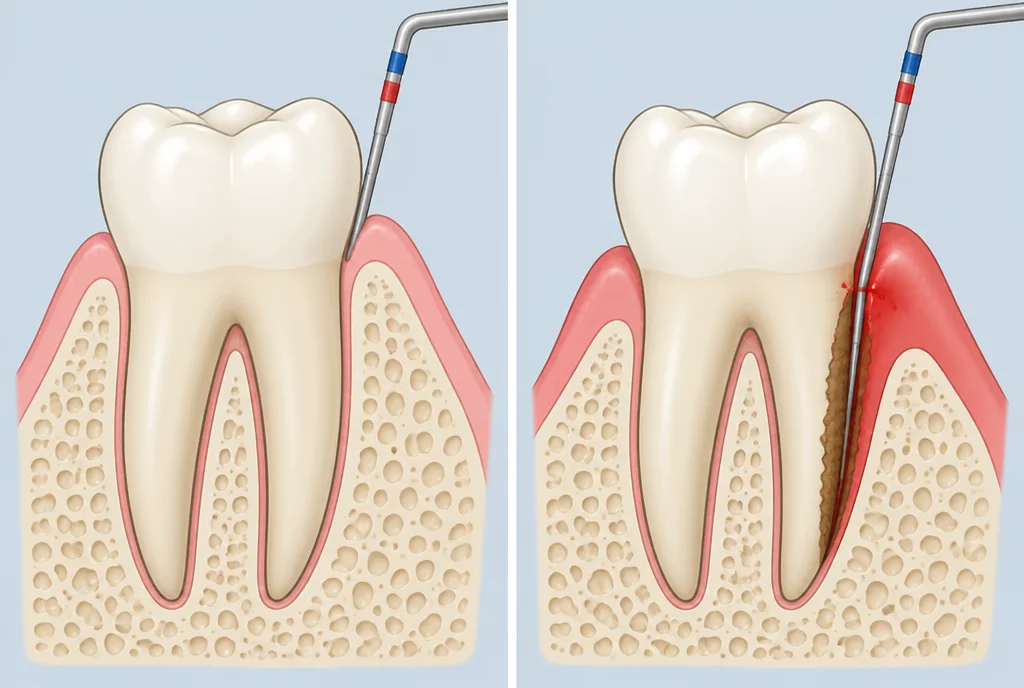
How Many Visits Does Gum Treatment Take, and Why Do I Keep Coming Back Afterward?
The number of gum treatment visits depends on how widely deep gum pockets are spread, how many areas need separate anesthesia, conditions such as diabetes and smoking, and the reassessment results. This article explains why maintenance continues after treatment, starting at 3-month intervals, how the interval is decided, and what happens at a maintenance visit at Joy Dental Clinic Bongcheon in Bongcheon-dong, Gwanak-gu, Seoul.
2026.11.15
Implants
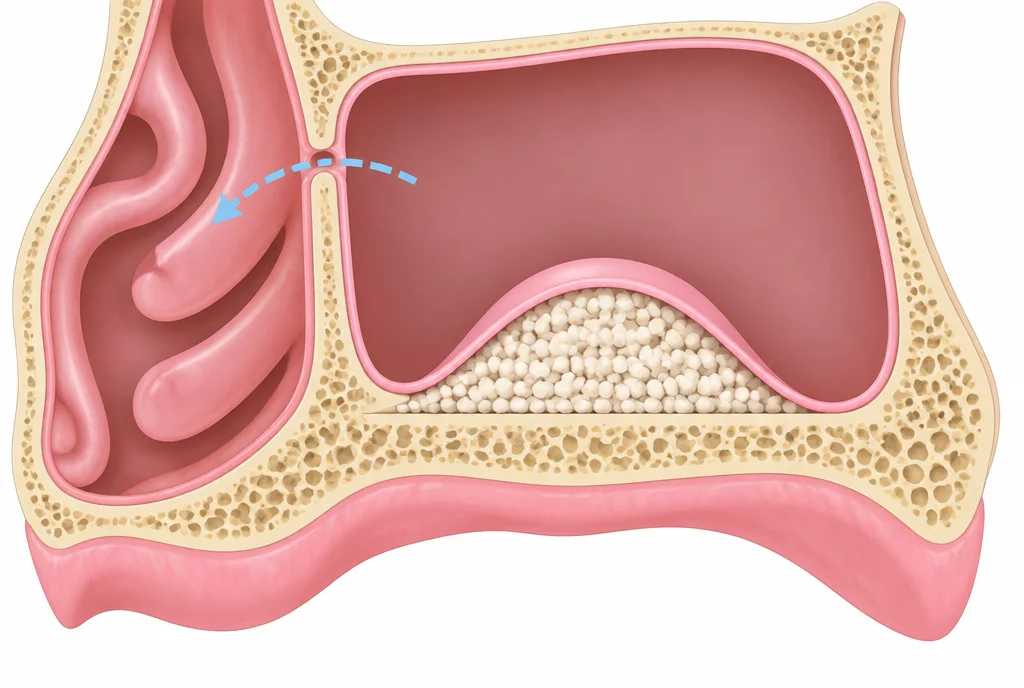
Nosebleeds or a blocked nose after a sinus lift: what is normal, and how do we check?
Blood-tinged nasal discharge or a blocked nose for a few days after a sinus lift for upper molar implants can occur because the surgical site connects to the nose. This post covers which symptoms can be watched at each stage, what to do at home for a nosebleed or the urge to blow your nose, signs that call for contact, and what we check with CT and examinations before and after surgery.
2026.11.14
Saving Natural Teeth
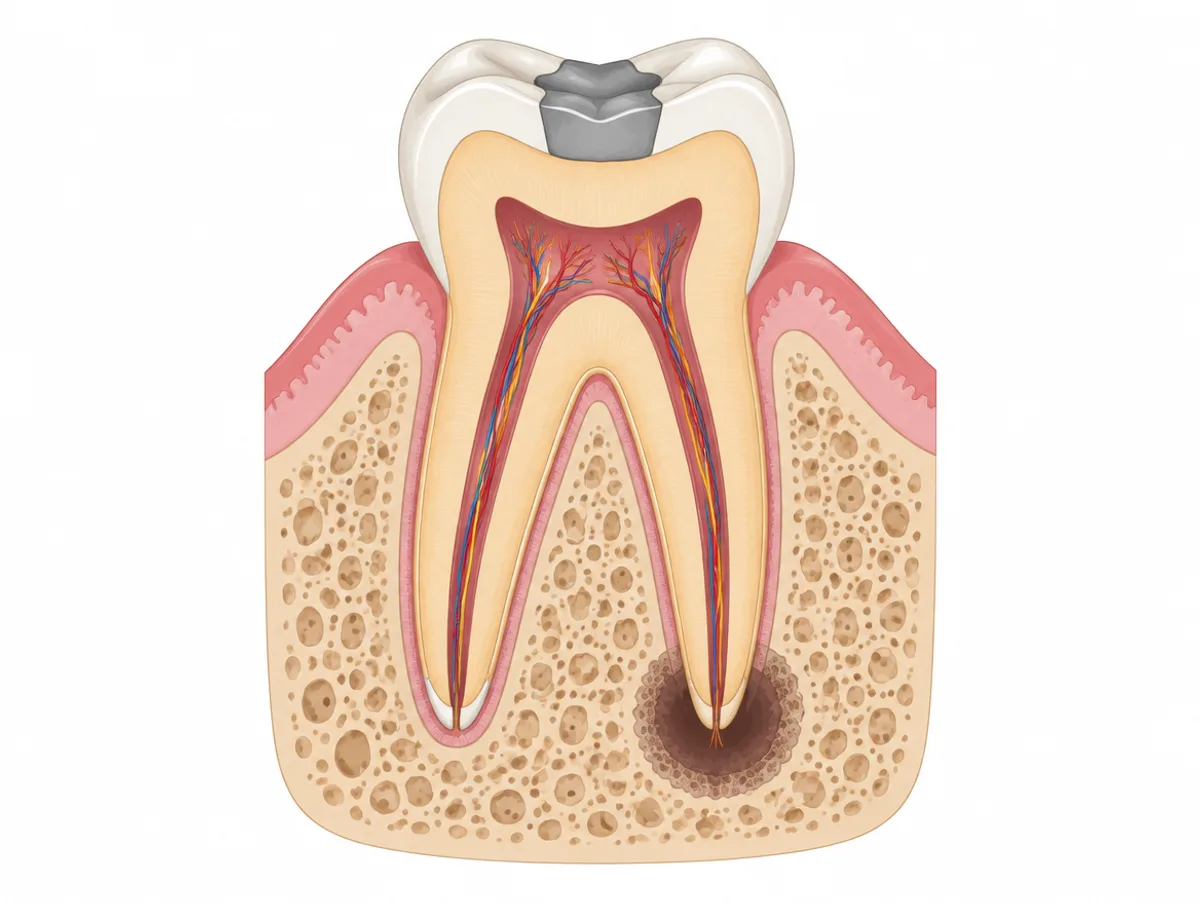
Do You Need a CT Scan Before Root Canal Treatment? — When a Regular X-ray Is Enough and When CT Is Needed
Studies suggest that CT detects inflammation around the root tip better than regular X-rays before root canal treatment, but it is not needed for every tooth. Here we explain when regular X-rays and an examination are enough, and when a CT scan is added.
2026.11.13
Saving Natural Teeth
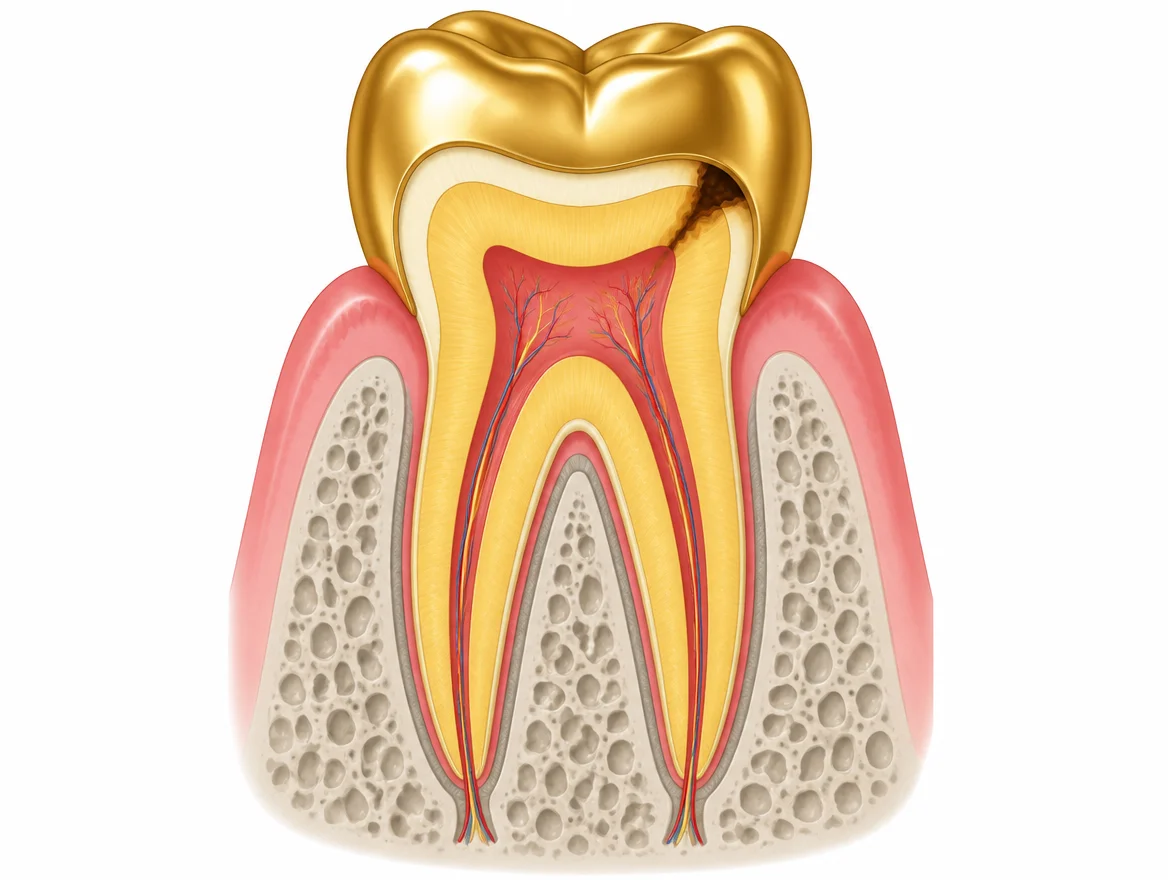
Long-Used Gold Restorations: What to Check Even When They Feel Fine
A gold restoration feeling comfortable does not necessarily mean the tooth beneath it is healthy. Decay underneath can be hidden by the metal on X-rays and grow without pain until it approaches the nerve. This article explains why you may not feel decay beneath a gold restoration, what we check at an examination, signs that call for replacement, how the plan may change after removal, and how we decide between gold and a tooth-colored material.
2026.11.12
Dentures
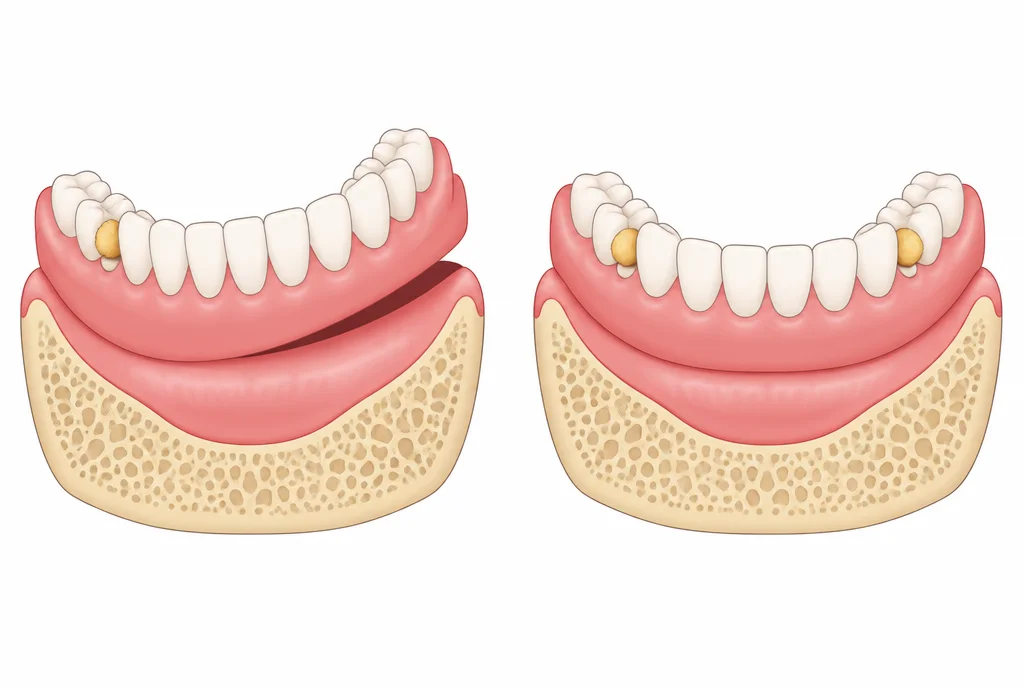
How many visits does it take to make dentures, and how long does it take to get used to them?
Making dentures takes a few weeks, followed by a few more weeks of adjustments and adaptation. This article covers what you may feel in the first week, how adjustment visits become less frequent, how chewing and speech become more familiar, and what can lengthen the adaptation period.
2026.11.11
Full-Arch Implants
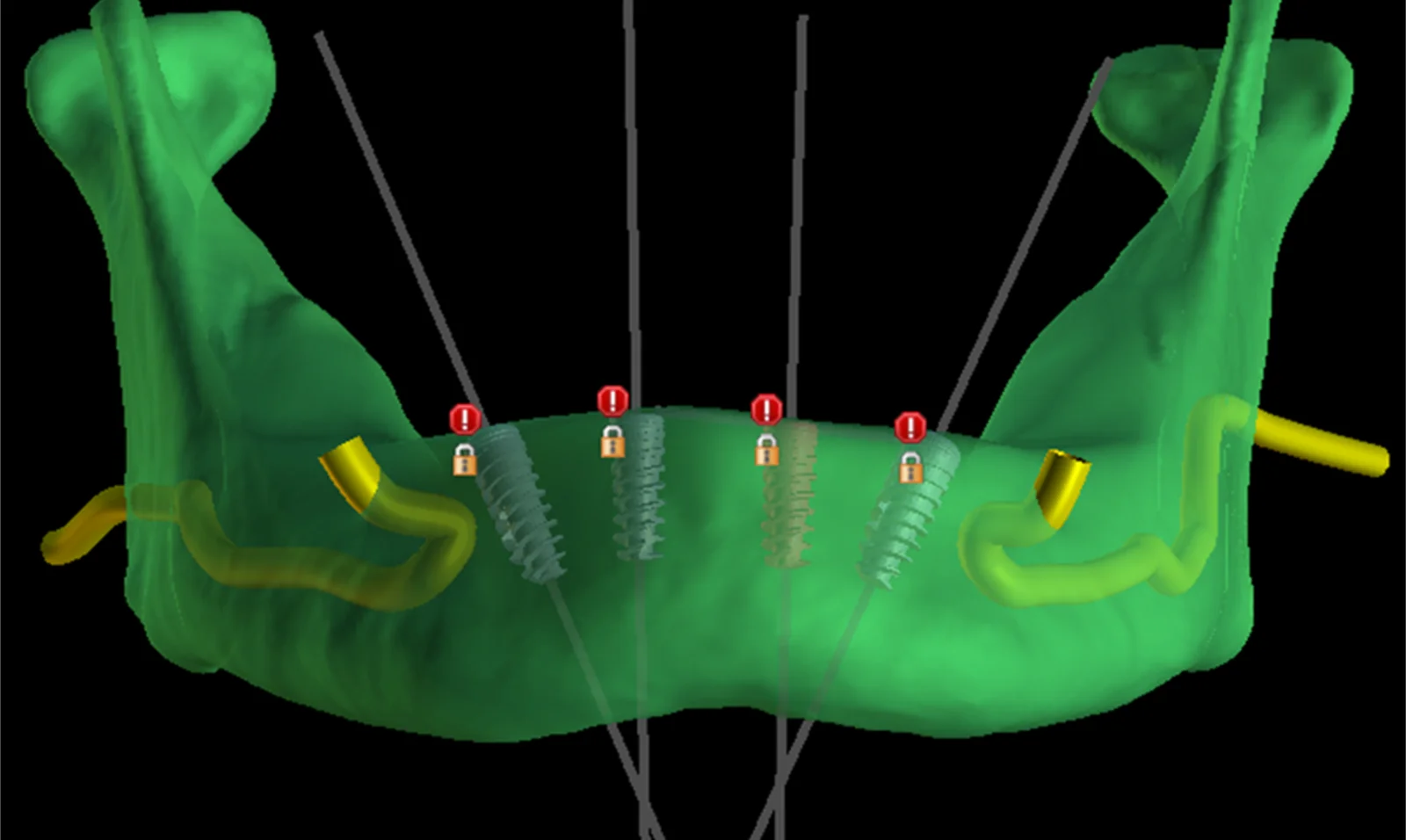
Full-arch implants (All-on-X): how many visits and how long from surgery to the final prosthesis?
Full-arch implant treatment (All-on-X) has four stages: diagnosis, surgery, time with a temporary prosthesis, and fabrication of the final prosthesis. Whether temporary teeth can be attached on the day of surgery depends on the bone condition and implant stability, and the overall duration varies with the speed of bone bonding and whether bone grafting is needed.
2026.11.10
Saving Natural Teeth
Inlay Bonding: Why We Choose a Product That Costs 4 Times as Much — Dark Curing Reaches the Base Where Light Is Limited
A ceramic inlay is bonded to a tooth, not simply fitted into it. Adhesives are usually cured with light, but enough light may not reach the base of an inlay. We explain why Joy Dental Clinic Bongcheon insists on the more expensive combination of 3M Scotchbond Universal Plus and RelyX Universal, covering bonding that cures without light (dark curing), X-ray interpretation, and surface treatment for each material.
2026.11.09
Check-ups & Scaling
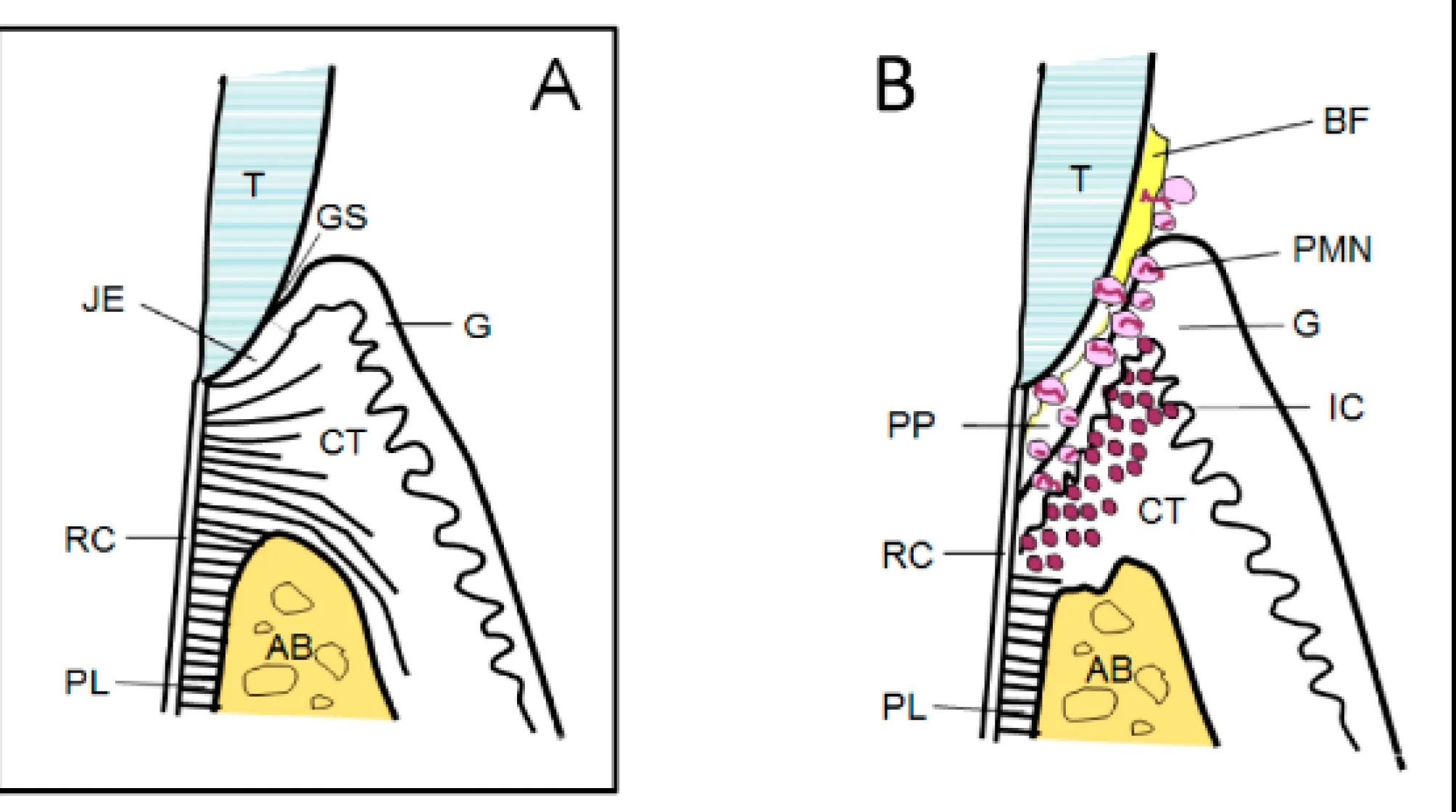
Gum Treatment: Why Do I Need Several Visits?
Gum treatment takes several visits because treatment below the gums may be divided into sections, and gum pocket depth and bleeding are measured again afterward to decide the next step. This article covers the initial examination, the difference between scaling and treatment below the gums, the timing and results of reassessment, when surgery is considered, and maintenance intervals.
2026.11.07
Implants
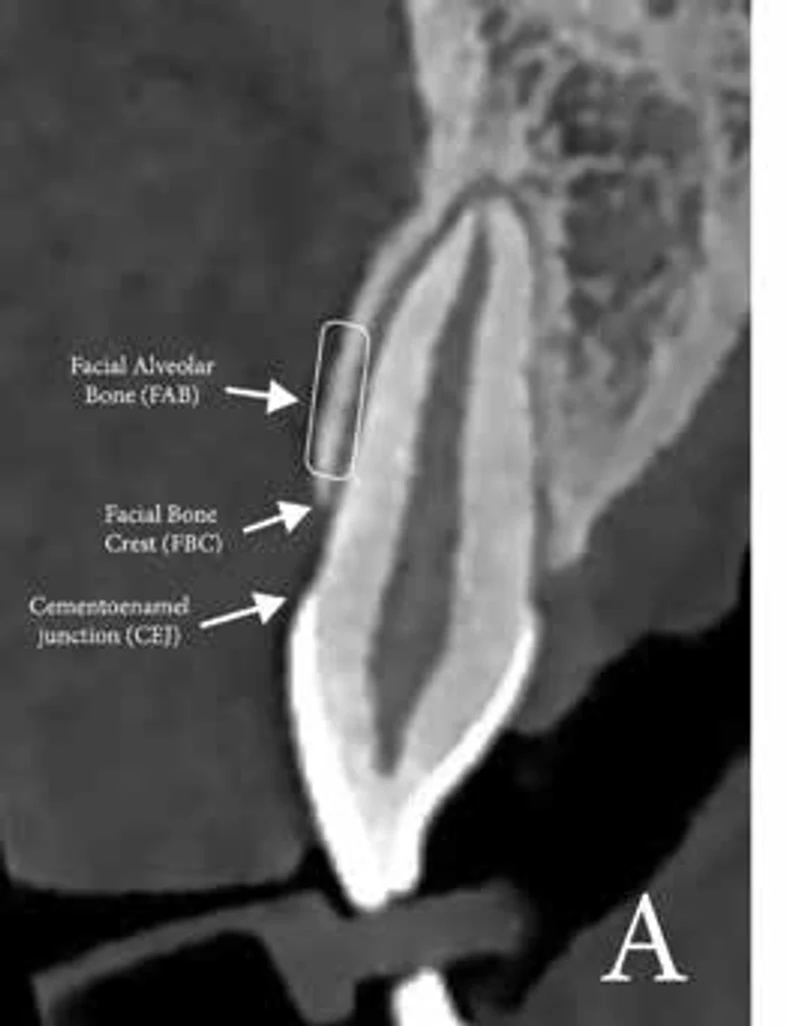
Front Tooth Implants: Why Is There More to Check First Than with Molars?
After a front tooth is extracted, the outer jawbone and gums tend to shrink, and the gum line and the gums between teeth are visible when you smile. That is why we plan for the bone and gums before placing an implant. This article covers what we check in the treatment room, how insufficient bone or gums can change the plan, why temporary teeth may be used longer, ways to delay placement at a young age, and care after treatment.
2026.11.06
Dentures
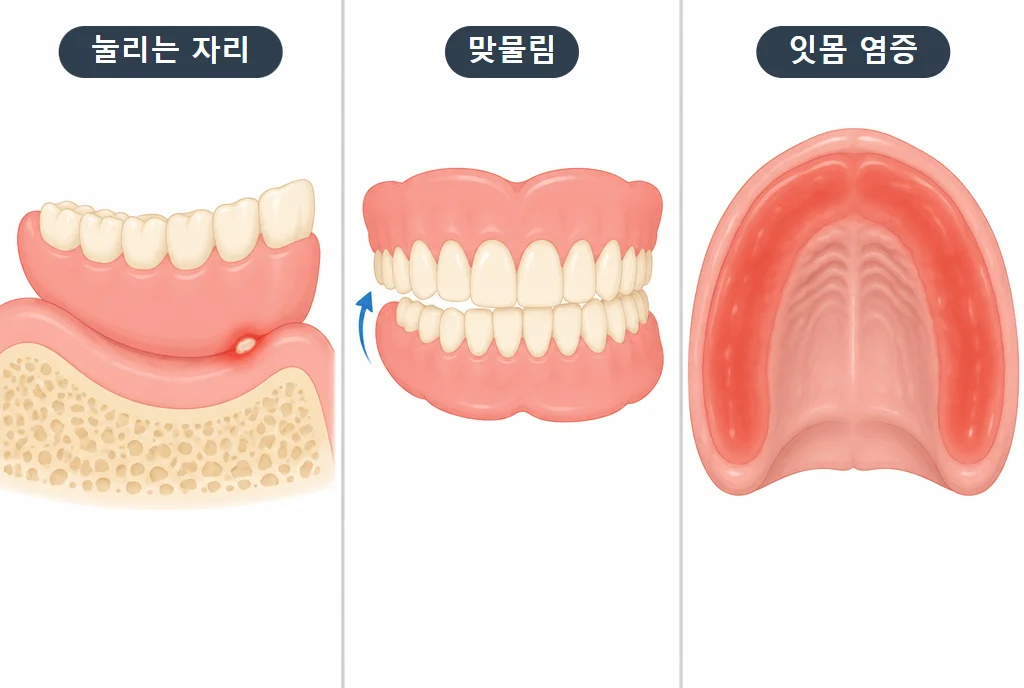
Three Things to Suspect When a New Denture Hurts Too Much to Wear — Pressure Spots, Bite and Gum Inflammation
When a new denture hurts, we first check for spots under excessive pressure, an uneven bite and inflammation of the gums beneath the denture. This post explains how the pattern of pain can help identify the cause and what we check at an adjustment visit.
2026.11.05
Saving Natural Teeth
Throbbing Toothache That Wakes You at Night: Can You Get By with Painkillers?
A throbbing toothache severe enough to wake you at night may mean that inflammation of the nerve inside the tooth has progressed to a stage that is difficult to reverse. Painkillers are for getting by until you receive dental care: go to an emergency department if breathing or swallowing is difficult or swelling spreads to your neck, see a dentist the same day if you have fever or swelling or the pain is hard to bear despite painkillers, and otherwise see a dentist as soon as possible. This article covers how to decide between an emergency department, same-day dental care and the earliest possible appointment, precautions while taking painkillers, examinations in the clinic and treatment for each cause.
2026.11.04
Saving Natural Teeth
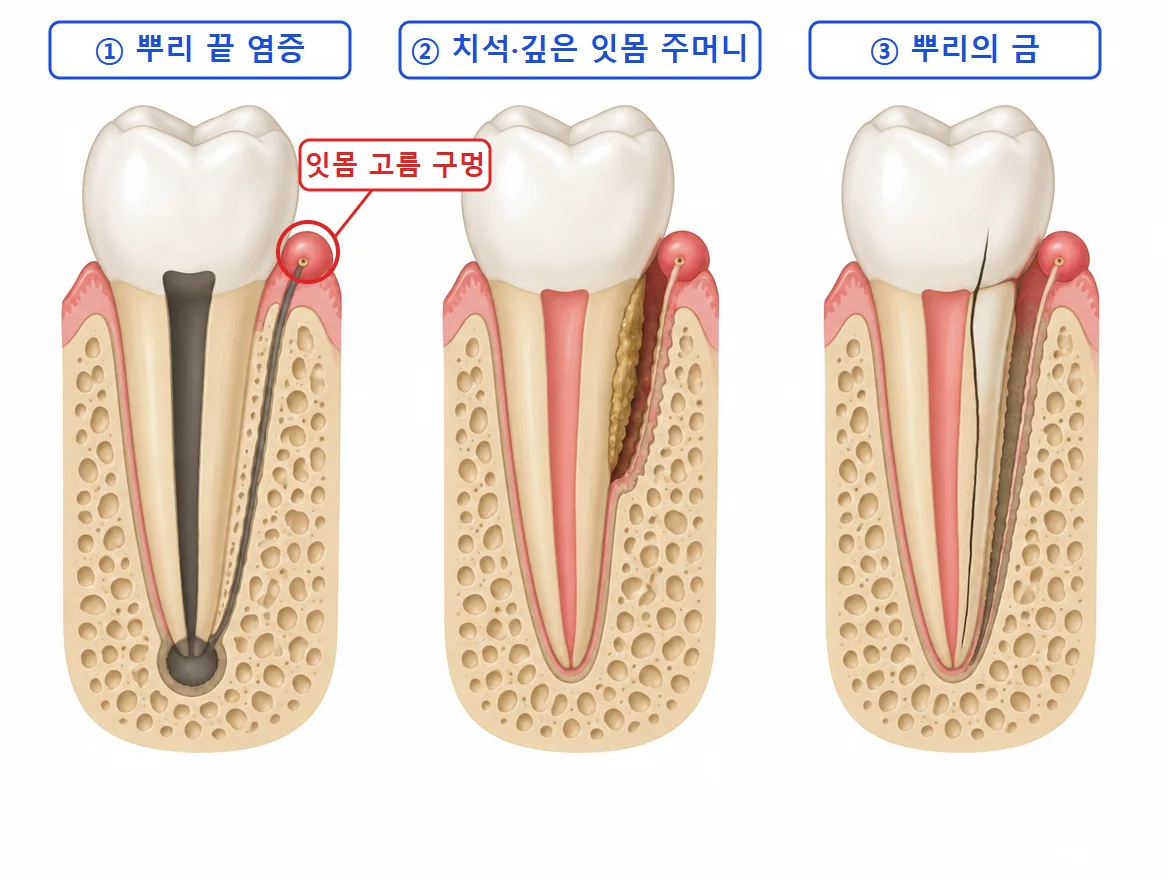
When a Gum Boil Keeps Returning in the Same Spot: What We Check to Find the Cause
The opening of a gum boil is an outlet for inflammation, which may have started at a root tip, in a periodontal pocket (gum pocket), or along a crack in a tooth or root. This post explains what we check with periapical X-rays, sinus tract tracing, gum pocket measurements, cold and percussion tests, a bite stick, Q-ray, an intraoral camera and, when needed, CT, and how we put the findings together.
2026.11.03
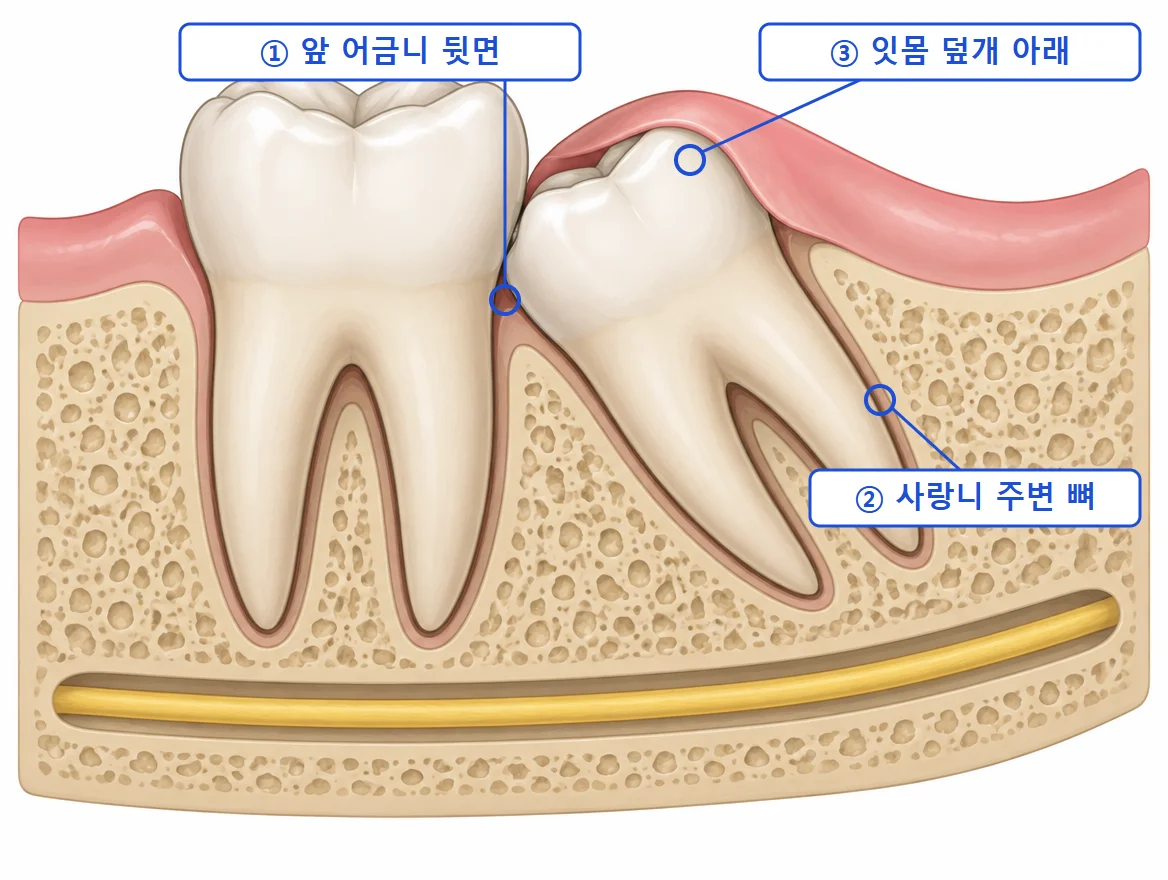
Wisdom Teeth
What Not to Miss When You Decide to Keep and Monitor a Wisdom Tooth
Even a wisdom tooth left in place because it has no symptoms needs specific attention at checkups. We check the back of the molar directly in front and the bone around the wisdom tooth with panoramic X-rays, and examine beneath the gum flap inside the mouth. When necessary, removing the wisdom tooth may be more beneficial than trying too hard to keep it. Here are the criteria and signs that mean you should contact us before your scheduled checkup.
2026.11.02
Implants
The Amount Quoted at Your Implant Consultation: What to Check Before the Number
An implant quote means different things depending on which steps are included in ‘1 implant.’ This post explains how to ask whether bone grafting, prosthetic materials, CT scans and regular checkups are included.
2026.10.31
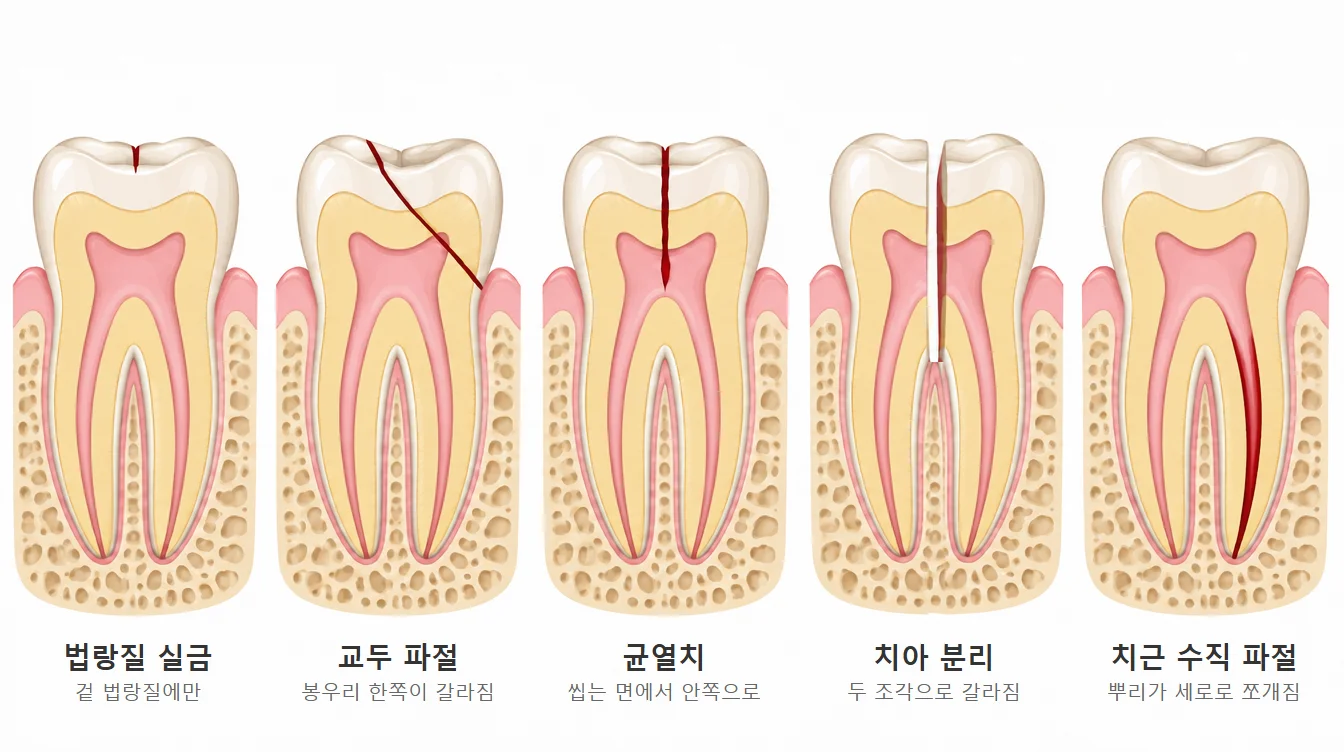
Saving Natural Teeth
I've Been Told My Tooth Has a Crack. Does It Need a Crown Now, or Can We Watch It?
A crack in a tooth does not heal on its own and may deepen with chewing. This post explains when we recommend covering the tooth with a crown, the conditions under which it can be monitored, and when delaying treatment can make it harder to save.
2026.10.30
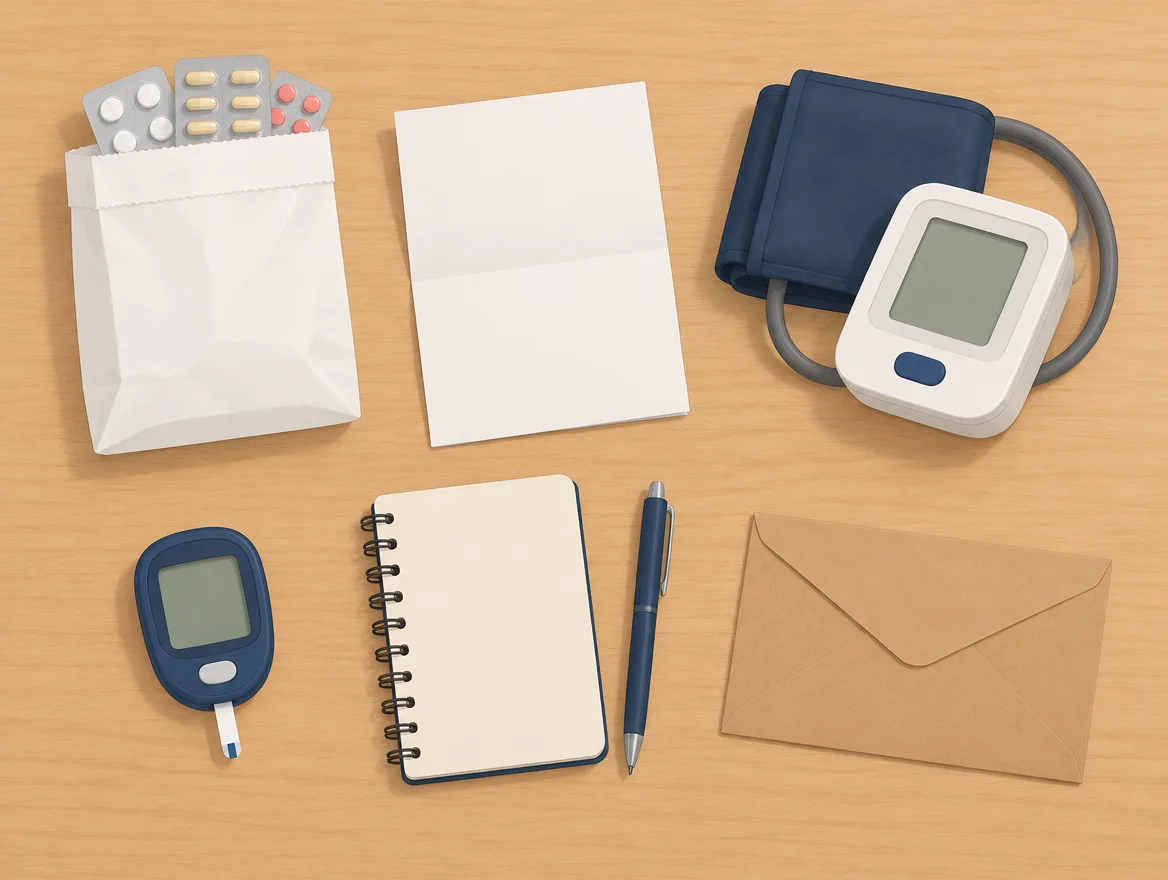
Implants
If Your Parent Takes Blood Pressure or Diabetes Medication, Bring Their Medication Bag to the Implant Consultation
Taking blood pressure or diabetes medication does not mean implants are ruled out. This article explains why we check medication names, dosing times and recent readings together, and what is helpful to bring to the consultation.
2026.10.29
Saving Natural Teeth
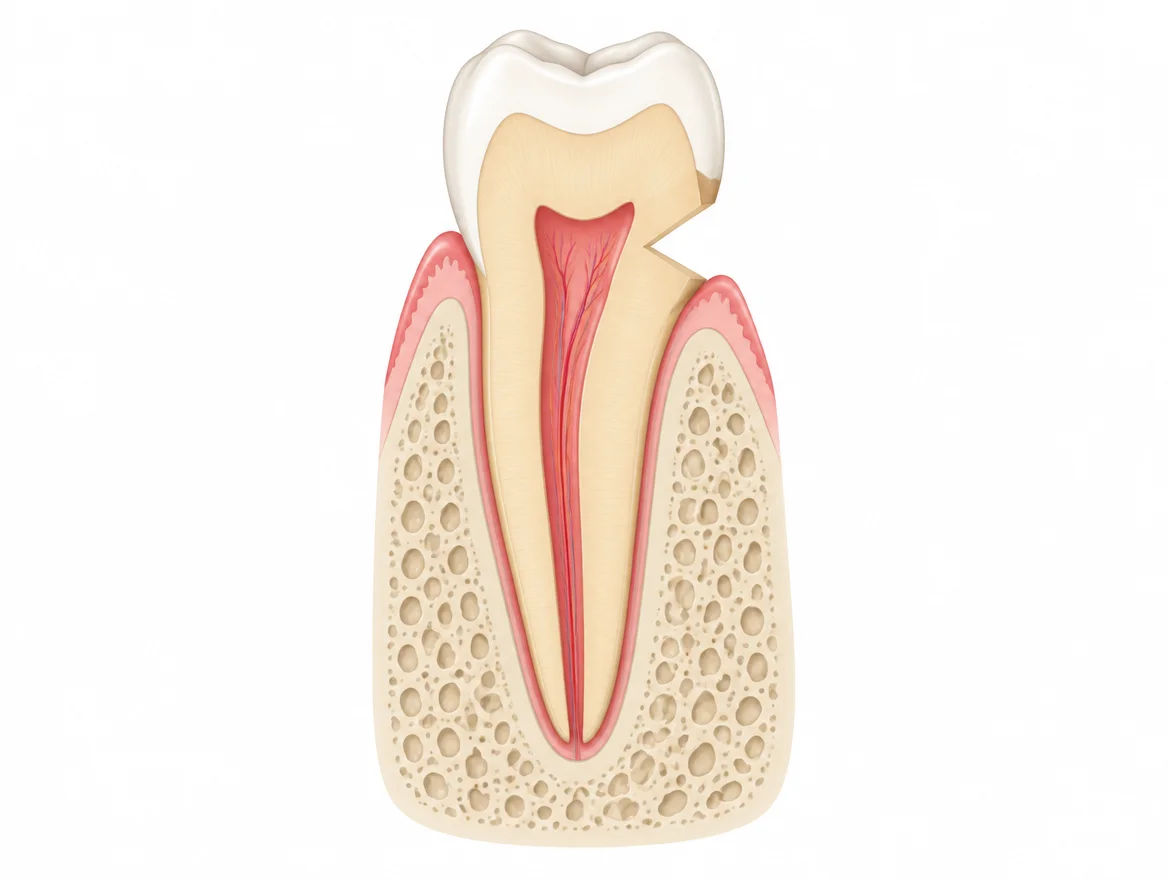
There Is a Wedge-Shaped Notch at the Neck of My Tooth Near the Gum Line.
Cervical abrasion, which leaves a wedge-shaped notch at the neck of a tooth, often involves a combination of brushing friction, chewing forces, and acid erosion. This article explains how we assess the causes and decide whether to monitor or fill the area.
2026.10.28
Implants
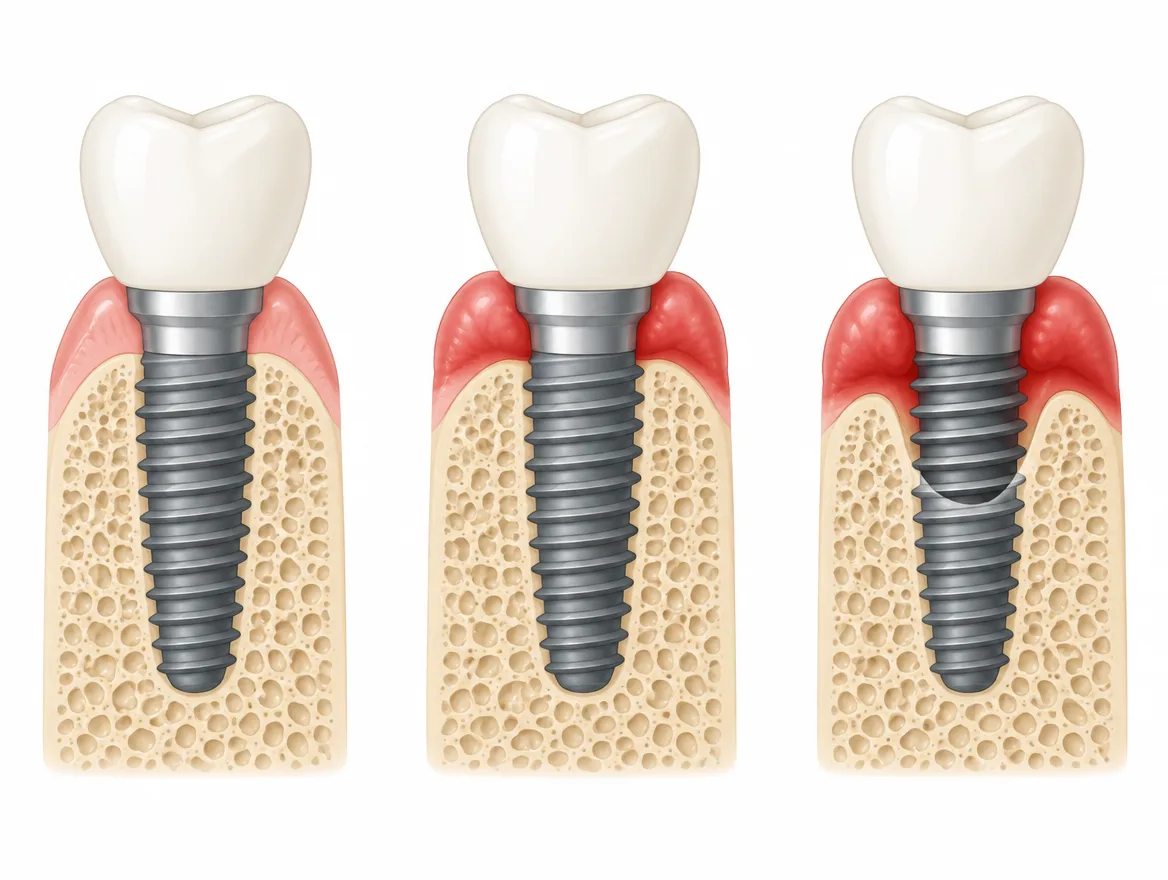
I Have Peri-implantitis. Does the Implant Have to Come Out? — Criteria for Treating and Keeping It or Removing It
A diagnosis of peri-implantitis does not automatically mean removal. Whether to keep or remove an implant depends on whether inflammation is limited to the gums or has reached the bone, whether there is movement or a fracture, and whether bone loss continues after treatment.
2026.10.27
Saving Natural Teeth
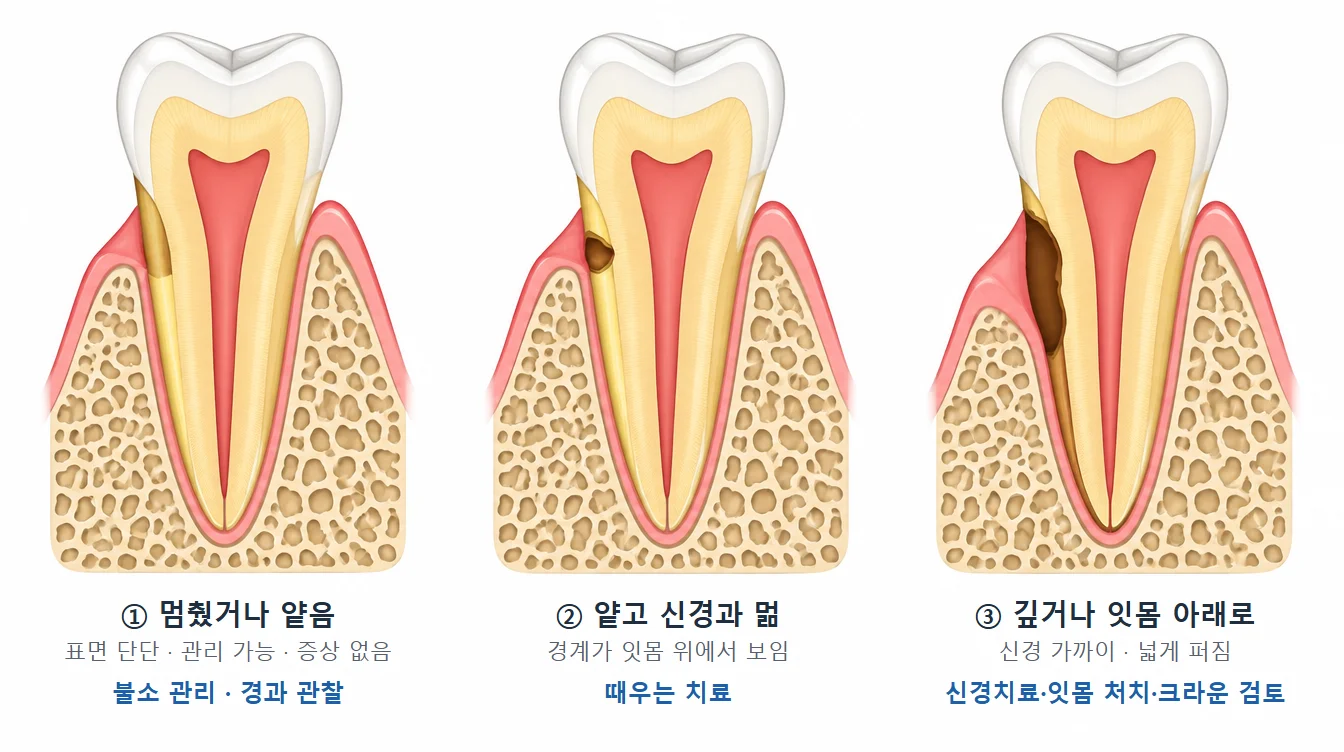
Decay on the Root Near the Gum Line: Is a Filling Enough?
Treatment for decay on an exposed root depends on its depth, distance from the nerve, and how far it extends below the gum line. This post covers options from monitoring to a crown, along with the risk of recurrence.
2026.10.26
Saving Natural Teeth
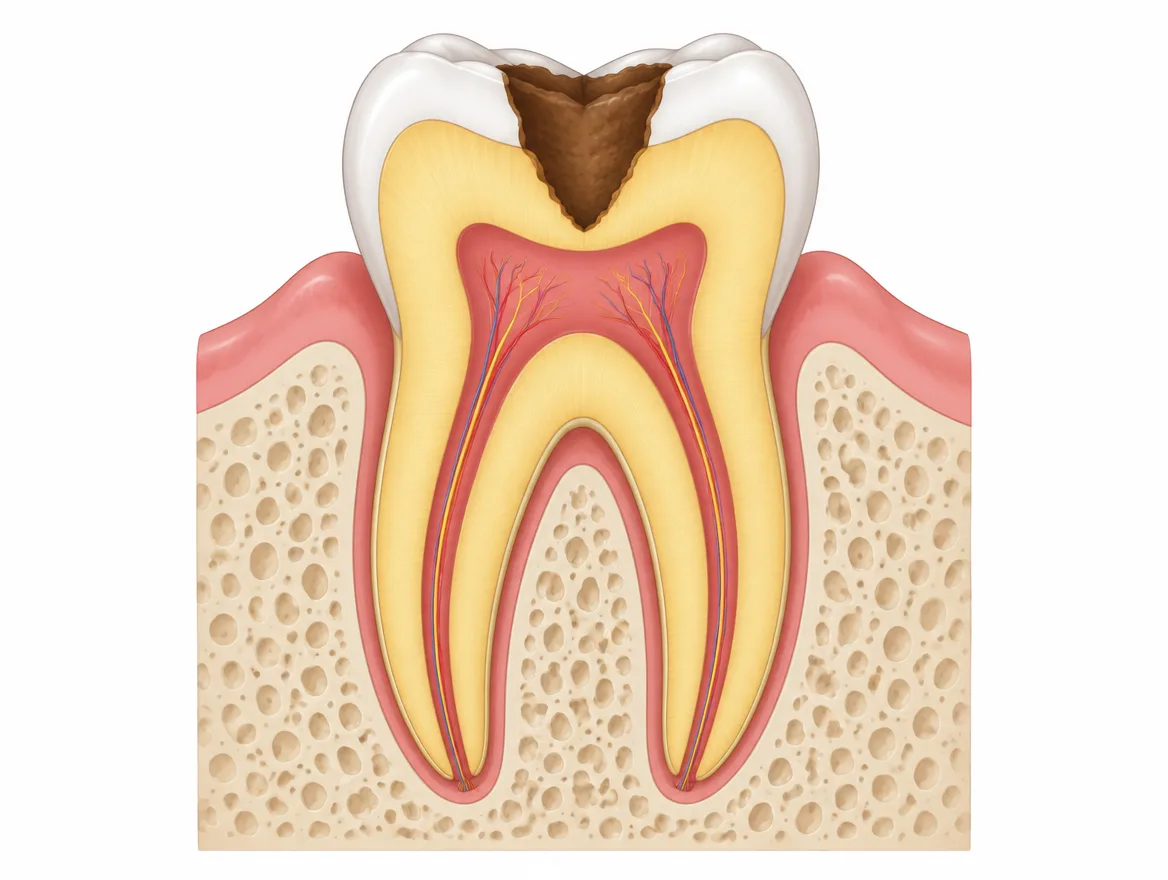
Does Deep Decay Close to the Nerve Always Need Root Canal Treatment? — Three Conditions for Trying to Keep the Nerve Alive
Deep decay close to the nerve does not always require root canal treatment. The treatment direction depends on three conditions: the stage of inflammation, bleeding control and the ability to seal the tooth. After trying to keep the nerve alive, we check its condition through symptoms and examinations.
2026.10.24
Dentures
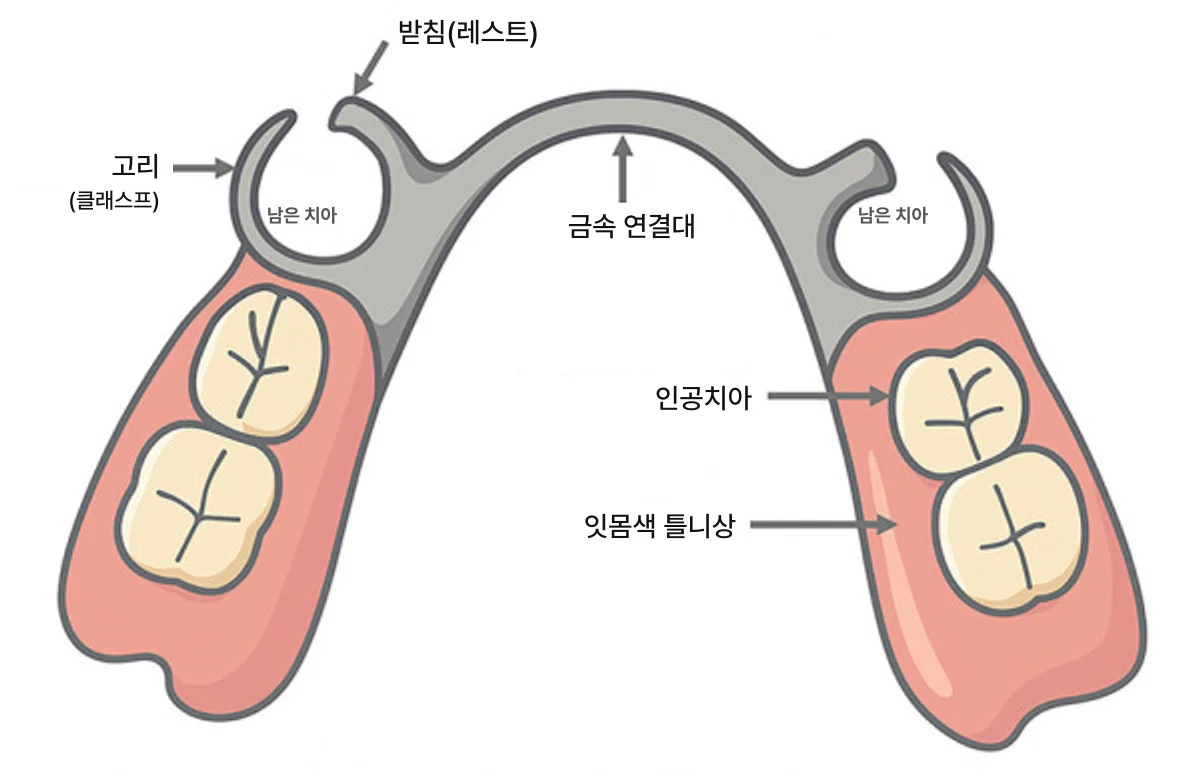
Partial Dentures or Implants: Which Is Right for You?
When choosing between partial dentures and implants to replace missing teeth, your remaining teeth, jawbone, general health and ability to manage daily care come before age. This article explains the differences and what to check before a consultation.
2026.10.22
Implants
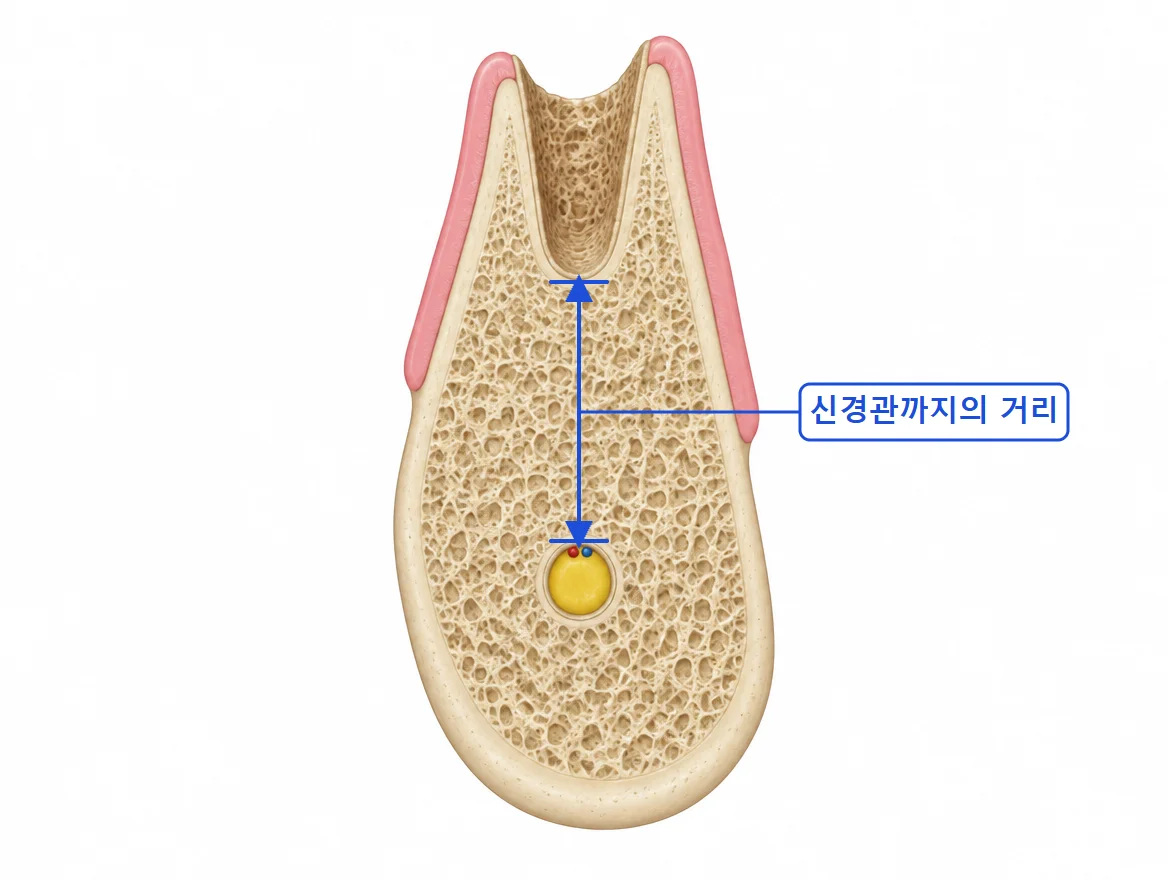
Can an Implant Be Placed on the Day a Tooth Is Extracted? — When to Place It Right Away and When to Wait
Whether to place an implant on the day of extraction is decided by assessing inflammation, the remaining bone walls and the possibility of achieving stability on CT, then checking the site again after extraction. Here are the criteria for immediate placement and for waiting.
2026.10.20
Saving Natural Teeth
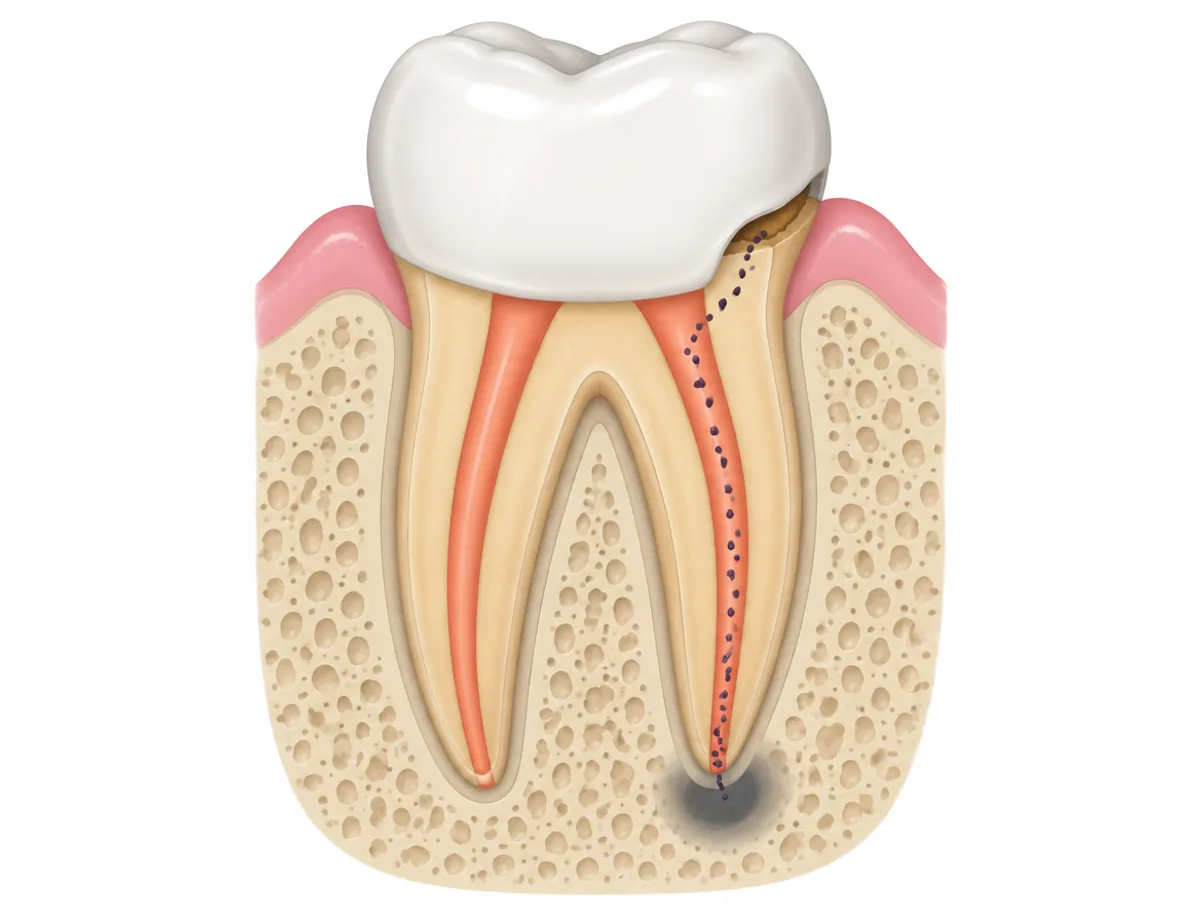
When a Tooth Treated with a Root Canal Hurts Again, What Determines Whether to Treat It Again or Extract It?
A tooth that hurts again after root canal treatment does not always need to be extracted. This post explains when root canal retreatment, apicoectomy or extraction is considered, depending on the cause, cracks in the root and the remaining tooth structure.
2026.10.16
Implants
Bone Around an Implant Should Be Compared with Previous X-rays
If you have been told that bone around your implant has decreased, it needs to be compared with the X-ray taken on the day the prosthesis was fitted. This article explains how we distinguish changes during initial settling from continuing bone loss.
2026.10.15
Implants
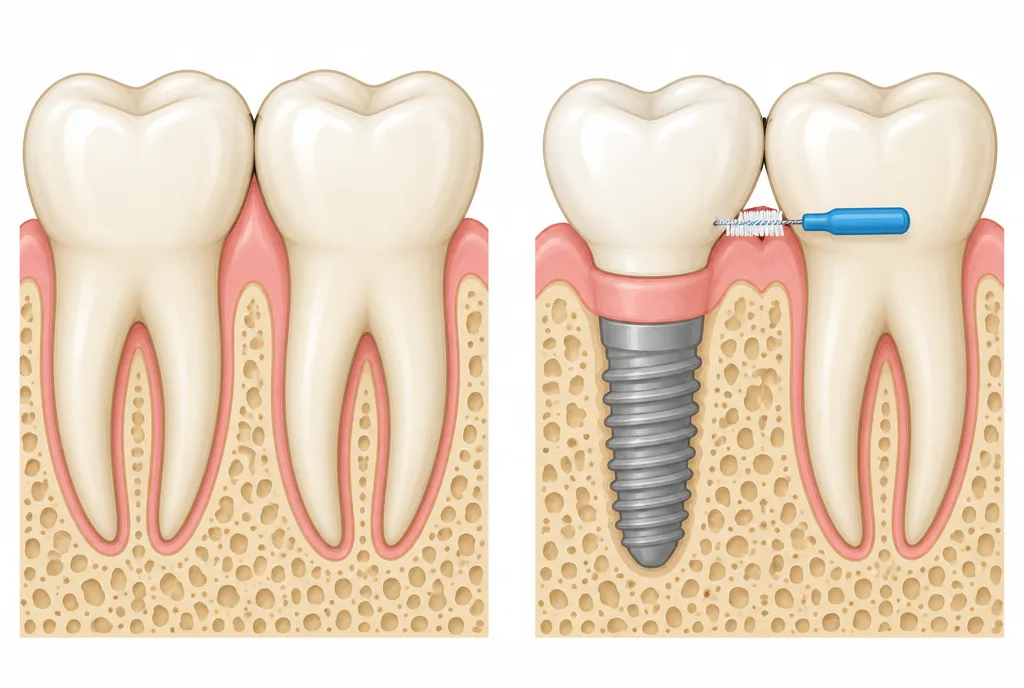
Even if food gets caught between implants, do not close the gap
The small space under an implant crown is a passage for an interdental brush. This article explains why filling it can increase the risk of peri-implantitis and how to distinguish the causes of food getting caught.
2026.10.14
Saving Natural Teeth
Temporary Teeth (Temporary Crowns): What Should You Be Careful About Until the Final Restoration Is Ready?
The role of temporary teeth while waiting for a final crown, precautions for eating and brushing, changes you can monitor at home versus changes that need a call to the clinic, and what to do if a temporary tooth loosens or comes off.
2026.10.13
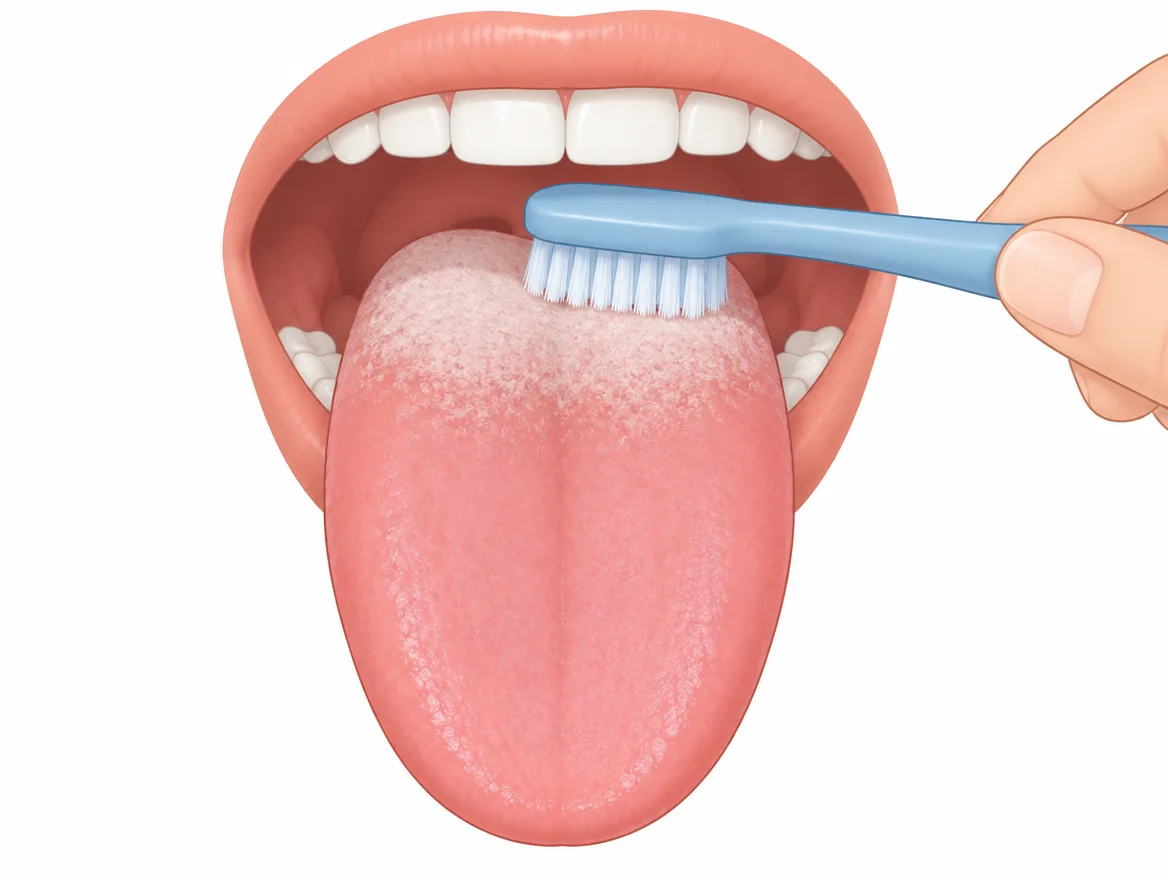
Check-ups & Scaling
Bad Breath After Brushing: Start with the Tongue and Between the Teeth
If bad breath remains after brushing, start by checking the back of the tongue and between the teeth. This post covers morning breath versus persistent bad breath, how to clean your tongue, and how to choose floss or interdental brushes.
2026.10.12
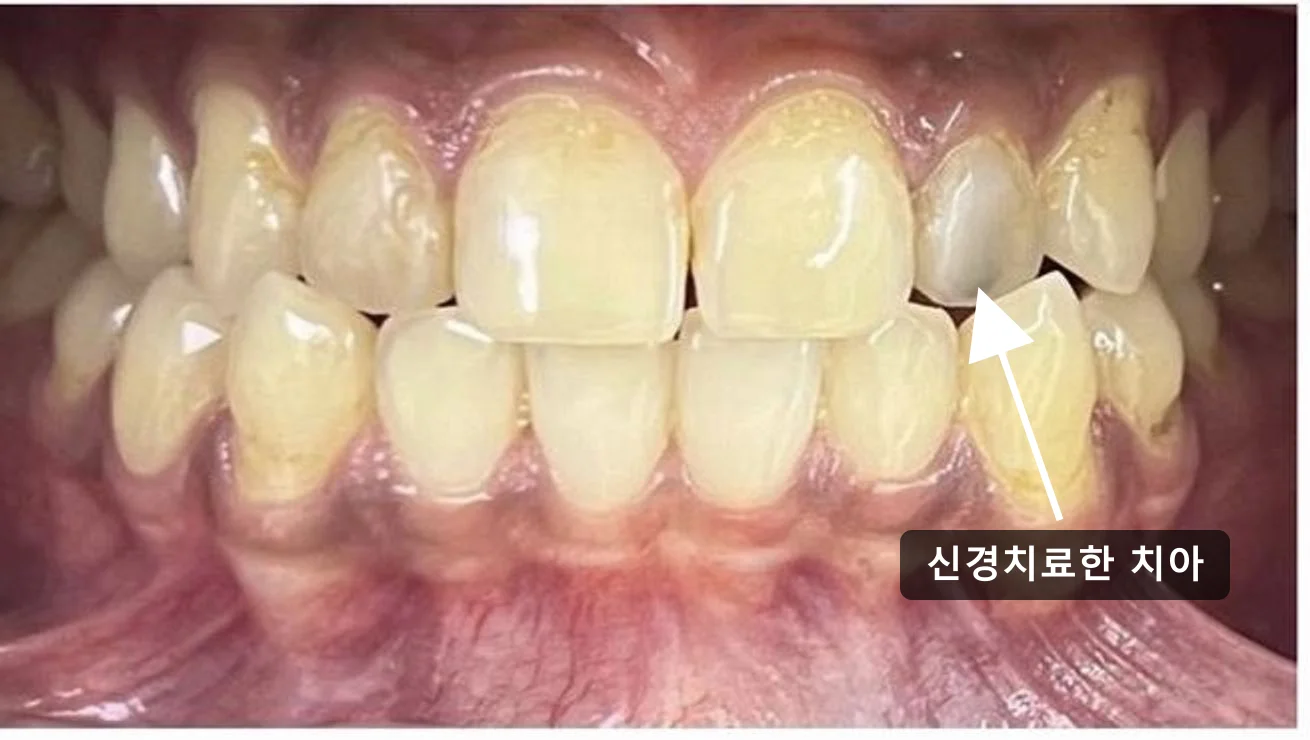
Aesthetic Prosthodontics
When a Front Tooth Gets Darker After Root Canal Treatment, How Do We Decide Between Bleaching and Covering It?
A front tooth that darkens after root canal treatment usually has discoloration inside, so surface whitening alone may not be enough. Here are five criteria for deciding whether nonvital tooth bleaching may work or whether composite resin, a veneer or a crown is needed to cover it.
2026.10.09
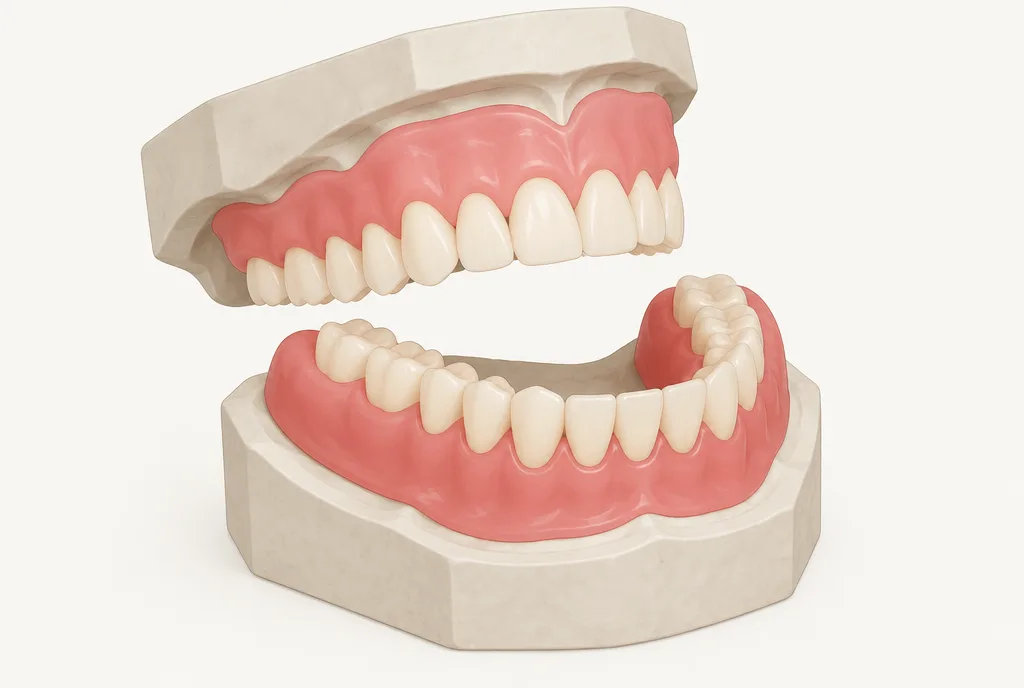
Dentures
Why Do We Try In Dentures Before They Are Finished?
Once dentures are finished, the position and height of the artificial teeth are difficult to change. We first try in teeth arranged in wax to check the bite, speech and lip shape. This article explains what we look at during this stage.
2026.10.08
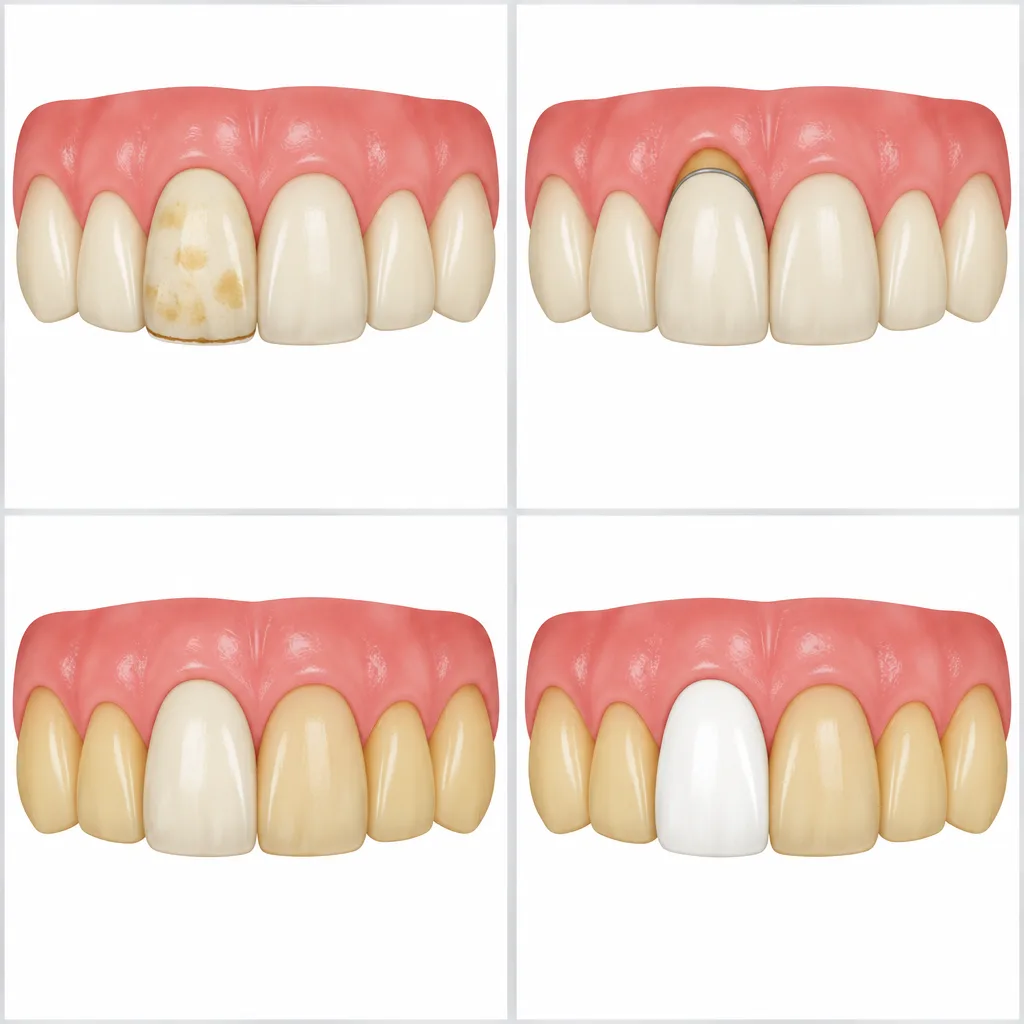
Aesthetic Prosthodontics
If Only the Restoration on a Front Tooth Looks a Different Color, Does It Need to Be Remade?
When only a front tooth crown, veneer or composite resin restoration looks a different color, whether it needs to be remade depends on the cause: surface staining, the gumline margin, a change in the neighboring teeth, or the restoration itself. This post explains each cause.
2026.10.08
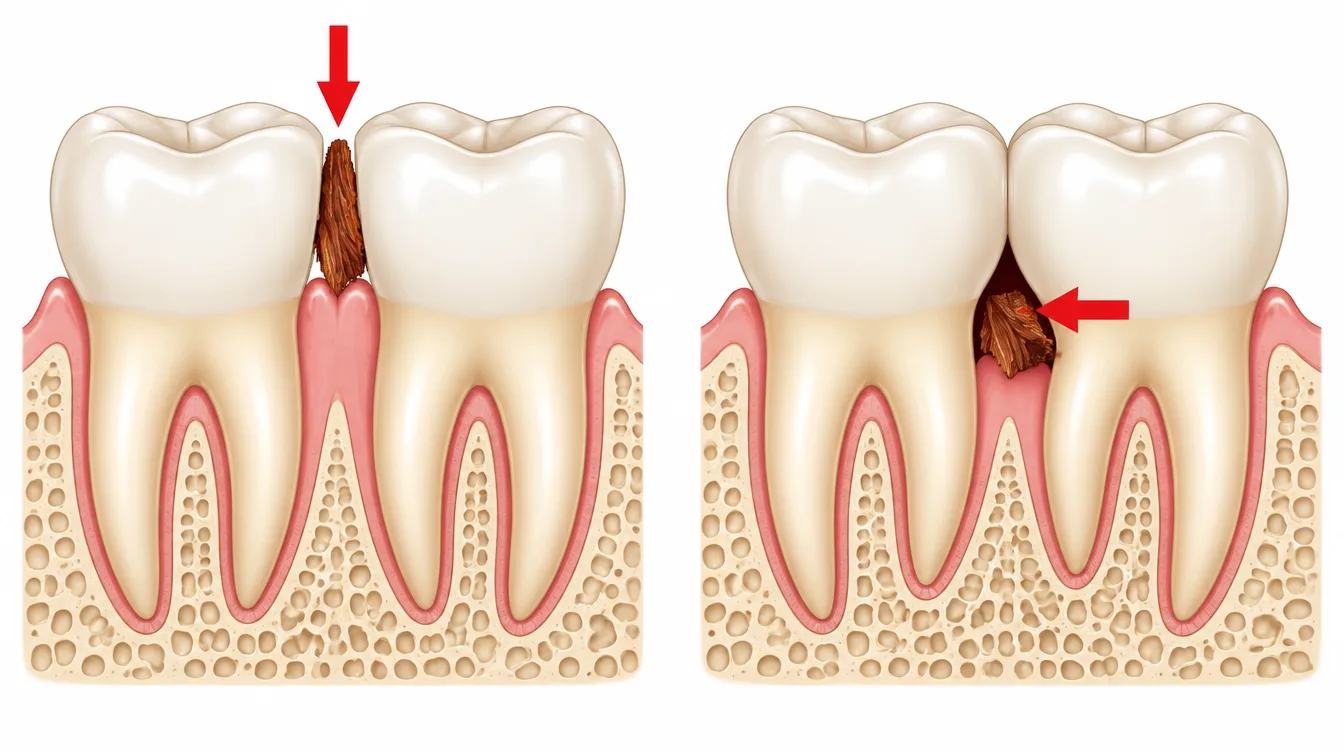
Saving Natural Teeth
Food Keeps Getting Stuck Between Your Molars: How Do We Find the Cause?
When food gets stuck in the same place between your molars every time, there is often a cause that flossing alone cannot resolve. This post explains how we check for open contacts, decay on the sides of teeth, restoration margins and gum recession.
2026.10.07
Implants
What do you check at regular visits after dental implant treatment?
Implants have no nerves, so problems may be noticed late. This article covers the five things the director checks (gums, bone level, screw loosening, chewing forces and hygiene), checkup intervals, and signs that call for contacting the clinic promptly.
2026.10.06
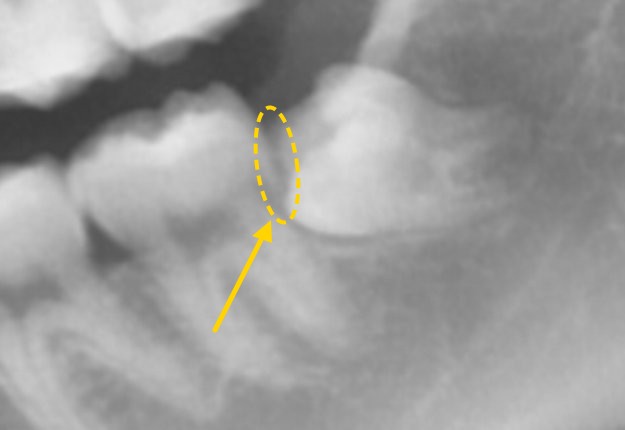
Wisdom Teeth
Should Wisdom Teeth Be Removed Before Symptoms Appear? — When to Keep Them and When to Consider Extraction
There is not enough evidence to support removing all wisdom teeth that do not hurt in advance. This post covers the criteria for keeping a wisdom tooth or considering extraction, and how to care for it if you decide to keep it.
2026.10.05
Implants
My implant feels loose. What should I check first?
An implant that feels loose is more often caused by a loose crown or screw above the bone than by the part within it. This article covers why you should not wiggle it by hand, signs of peri-implantitis, and when to have it checked within a few days.
2026.10.02
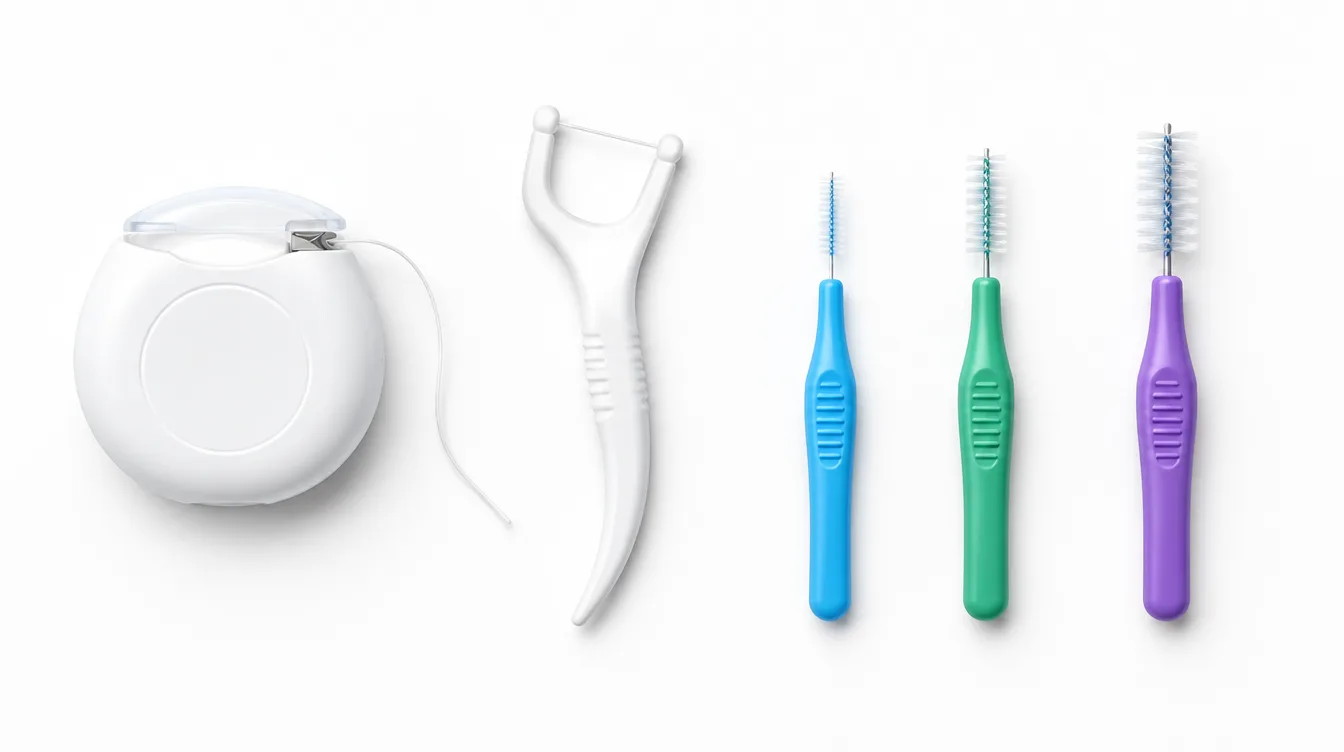
Check-ups & Scaling
Floss or Interdental Brushes: Which Fits Between Your Teeth? — Choosing by Gap Size
Whether floss or an interdental brush suits you depends on the size of the gaps between your teeth. This post covers their differences, choosing a size, the right order and common mistakes, and what to do about bleeding.
2026.10.01
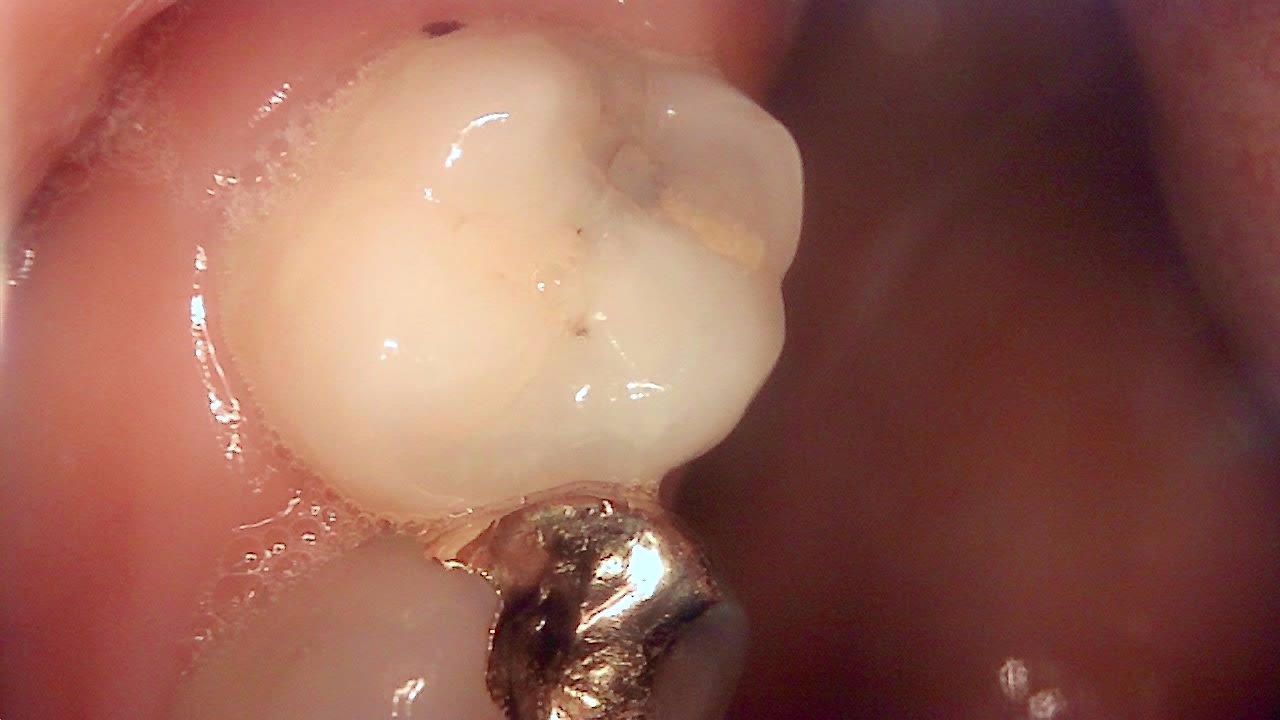
Saving Natural Teeth
If Your X-ray Looks Normal but the Pain Continues, What Do We Check Next?
A normal X-ray means no problem is visible in the image, not that there is no cause for the pain. Fine cracks, bite pressure concentrated on one tooth, and early inflammation of the nerve may not show clearly, so we narrow down the cause through an examination.
2026.10.01
Implants
How the Number of Implants You Need Is Decided
The number of implants is not a figure settled in words at the start of a consultation. This post lays out the order in which it is decided: after looking together, on CT and photos, at the remaining teeth, the amount and location of bone, and where chewing force falls.
2026.09.30
Implants
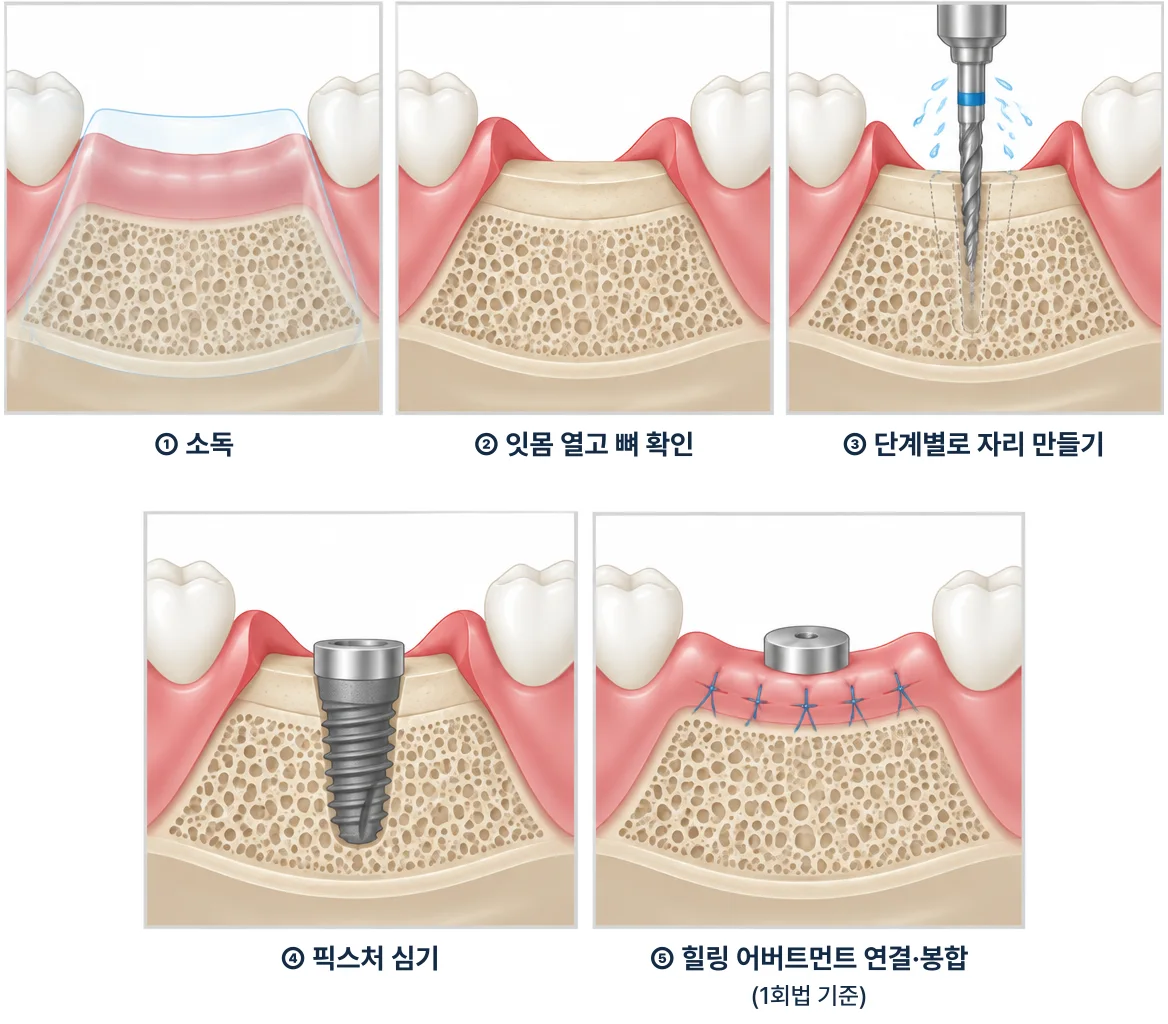
What actually happens on the day of implant surgery, and how long does it take?
Implant surgery proceeds through anesthesia, preparing the site, placing the artificial root, and suturing, taking around 30~60 minutes for one implant. This article follows the timeline from preparation the day before to suture removal.
2026.09.29
Aesthetic Prosthodontics
Veneers for Front Teeth: How Much Tooth Is Removed?
Conventional veneers involve removing around 0.3~0.7mm from the front surface, while no-prep veneers involve almost no removal. This post explains why teeth are reduced, how the amount removed affects longevity, and when veneers are not suitable.
2026.09.28
Implants
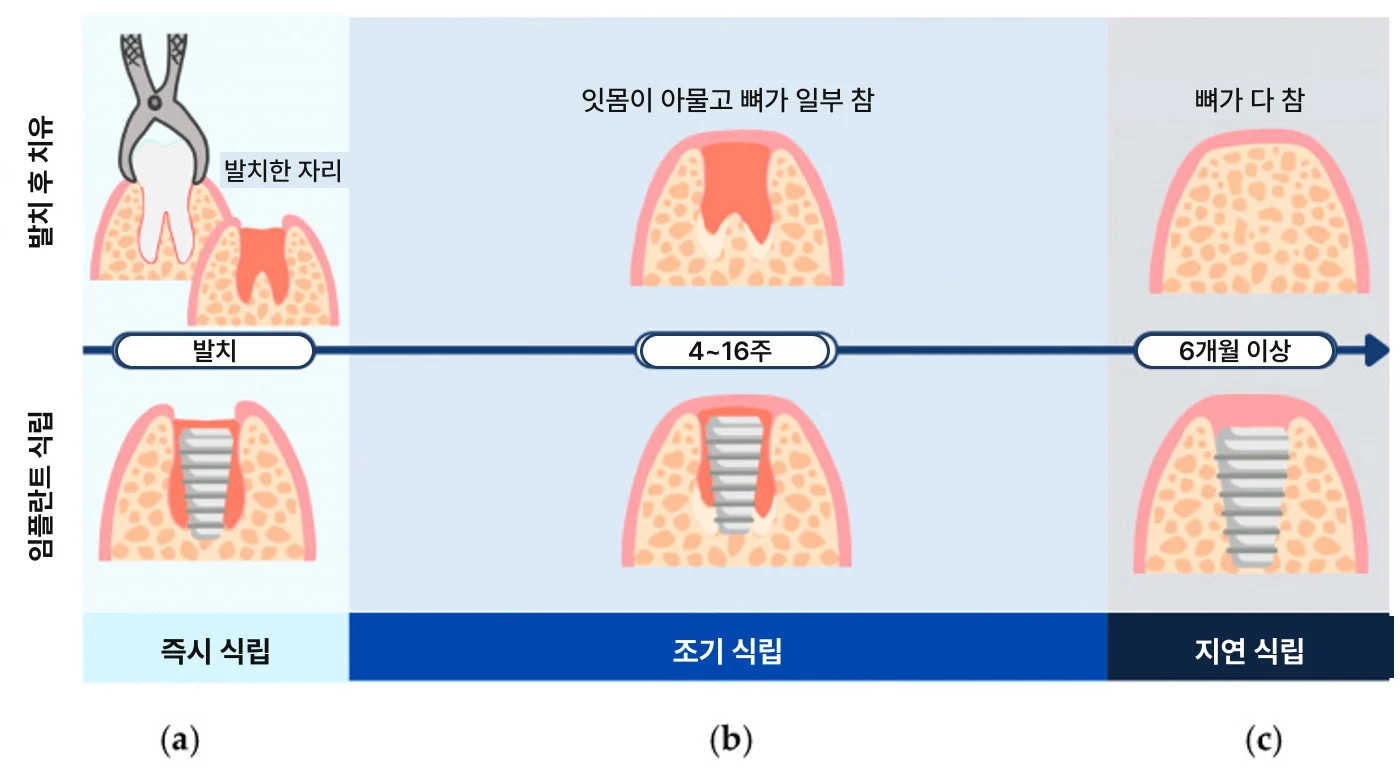
Implants: Why Does the Treatment Time Differ from Person to Person?
Implant treatment time is the sum of four phases: healing after extraction, placement, osseointegration and the prosthesis. The condition of the bone decides which phase gets longer. We cover the difference between the upper and lower jaw, the time a bone graft adds, and temporary teeth.
2026.09.25
Implants
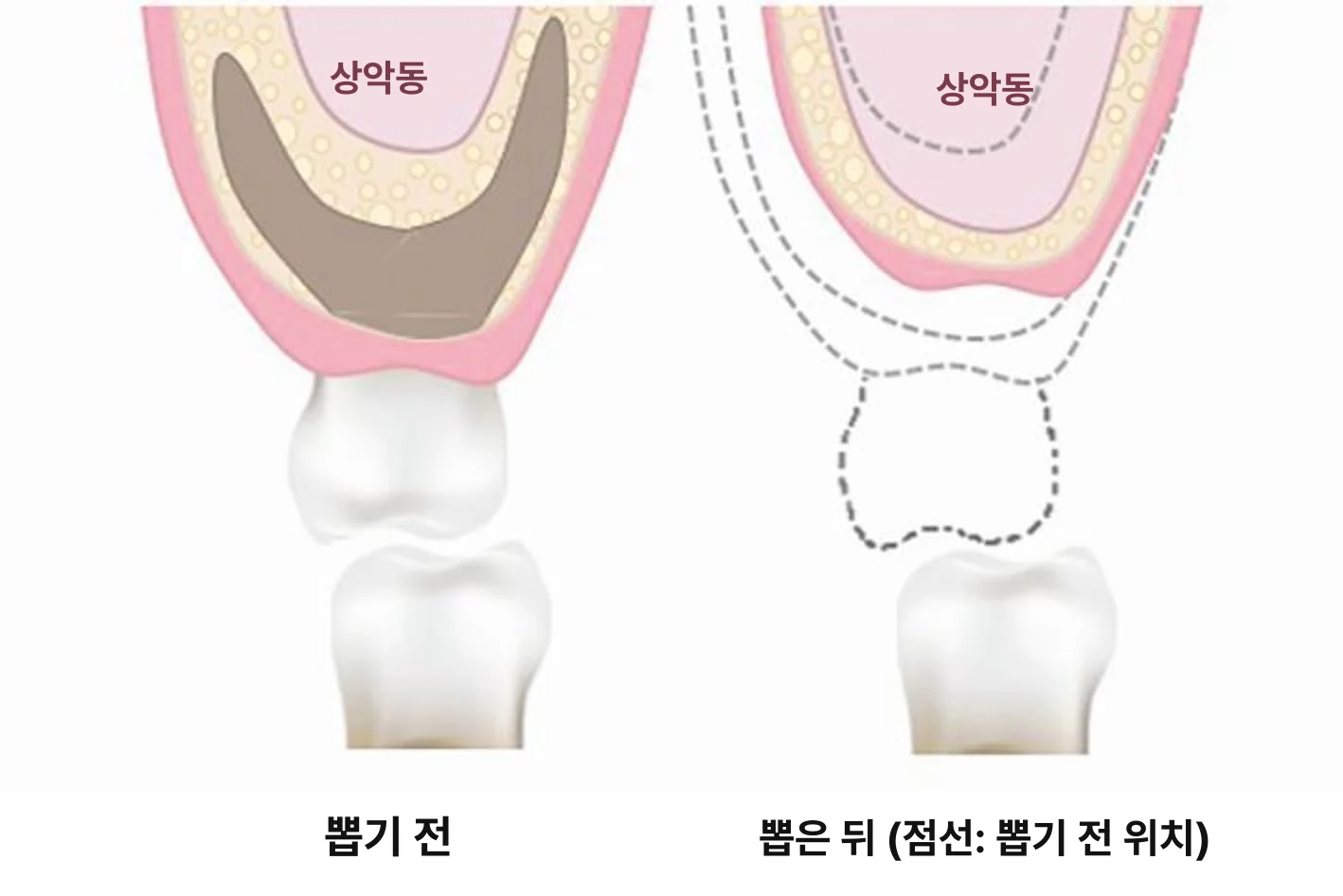
I was told I can't get an implant because there is no bone. Is there really no option?
"No bone" usually means the jawbone is a few mm short in height or width. This article covers when a bone graft or sinus lift is done, how much longer treatment takes, and the alternatives when an implant is difficult.
2026.09.23
Dentures
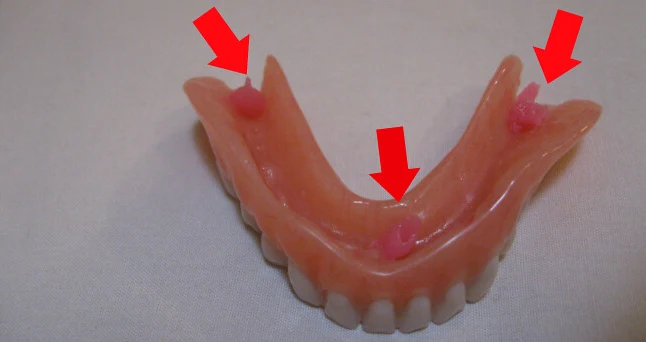
Is It Okay to Use Denture Adhesive Every Day? — How Much to Apply and When to Have Your Denture Checked
If your denture will not stay in place without adhesive, it is a sign that it no longer fits your gums. This post covers safe use, precautions about zinc, and when to consider relining, a new denture or an implant overdenture.
2026.09.22
TMJ
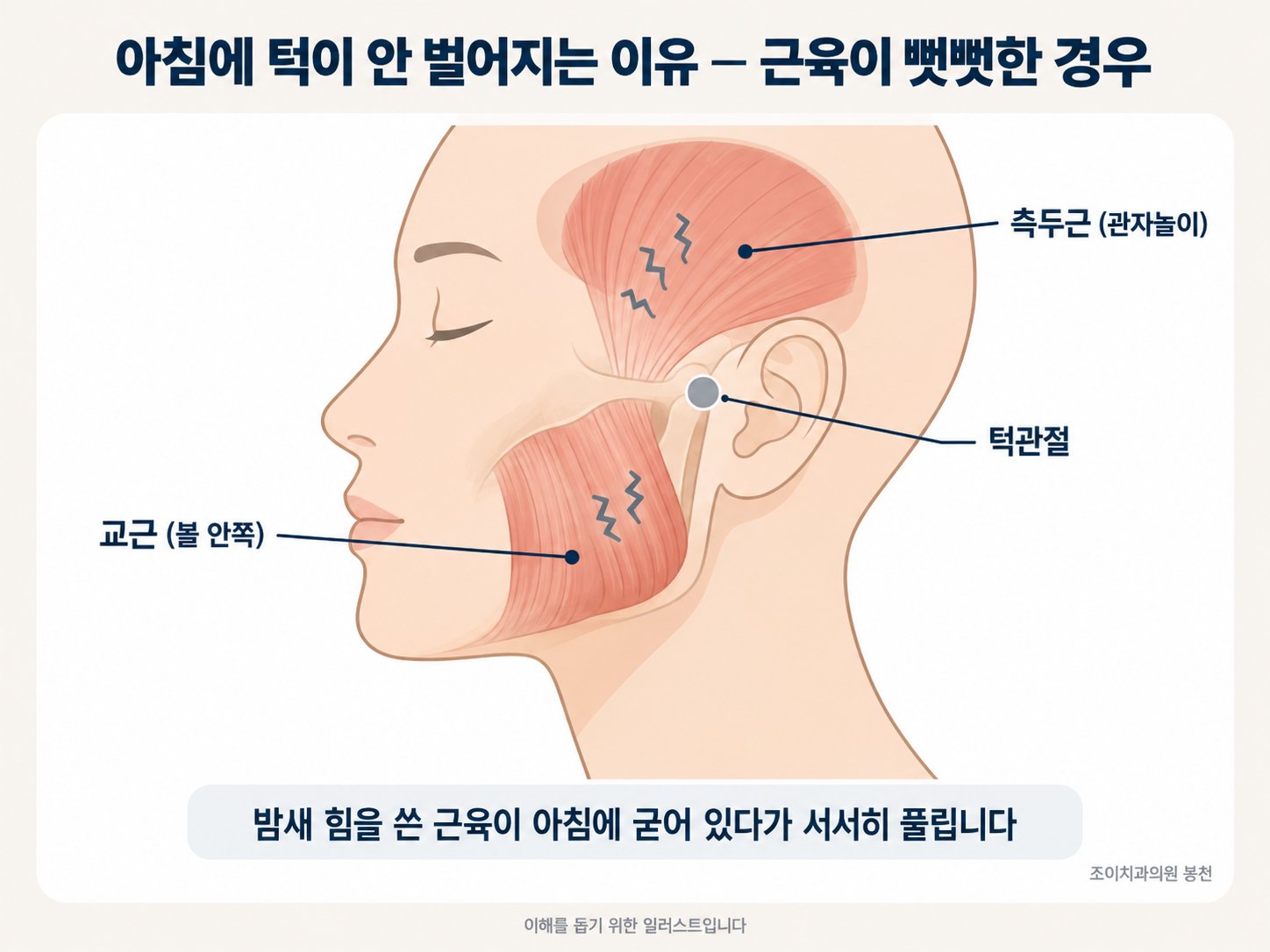
Is It Hard to Open Your Mouth When You Wake Up?
If your jaw hurts and is hard to open only in the morning, then loosens up, it is often related to disc adherence, muscle stiffness or disc displacement. This post covers clues that distinguish them, what to do at home and signs you should not overlook.
2026.09.22
Implants
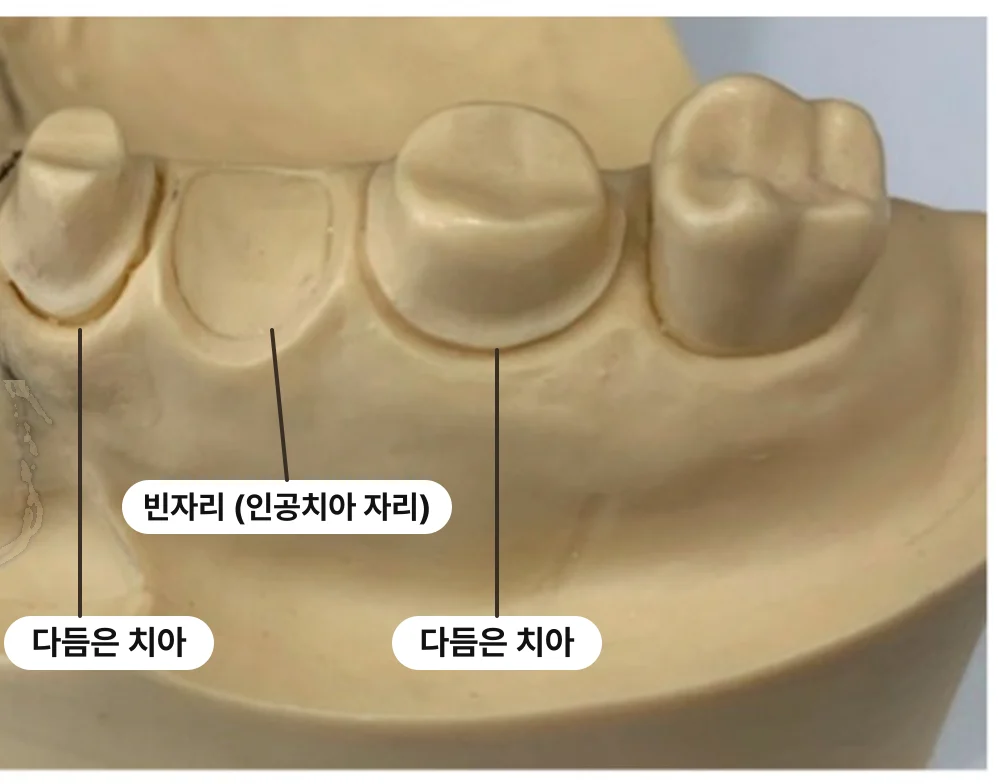
Are There Options Other Than an Implant? — Bridges, Partial Dentures, and When to Watch and Wait
A missing tooth can be replaced with an implant, a bridge, or a partial denture, and leaving the space and monitoring it is also an option. This article explains how we choose by looking at the neighboring teeth and the jawbone together in images, and when we do not recommend an implant.
2026.09.21
Saving Natural Teeth
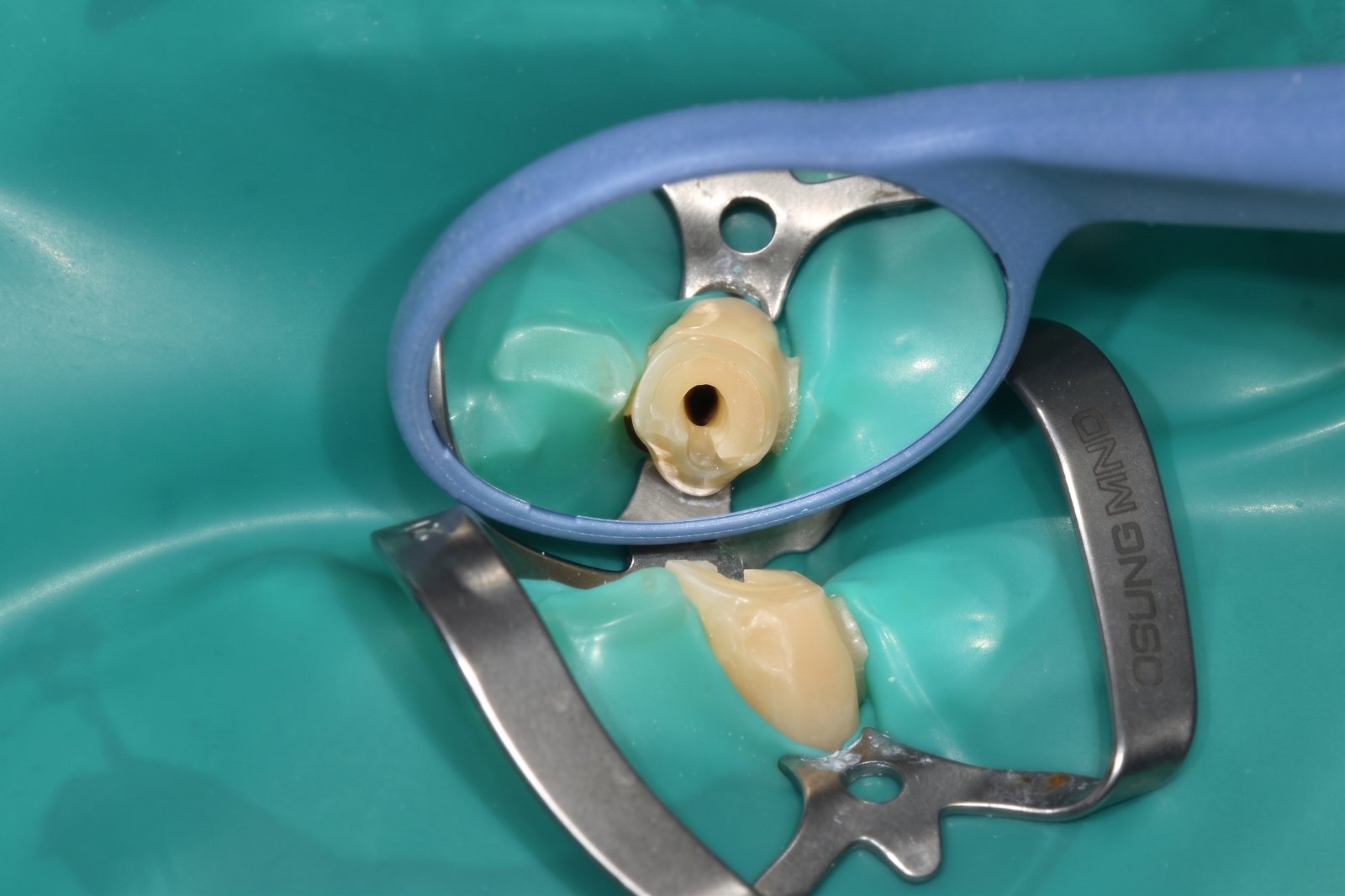
Root Canal Treatment Is Finished. What Comes Next? — When and How to Cover the Tooth
The next step matters for keeping a root canal-treated tooth in use for a long time. This post explains why it can fracture easily, precautions while a temporary filling is in place, and how we decide between a composite resin filling and a crown.
2026.09.19
Saving Natural Teeth
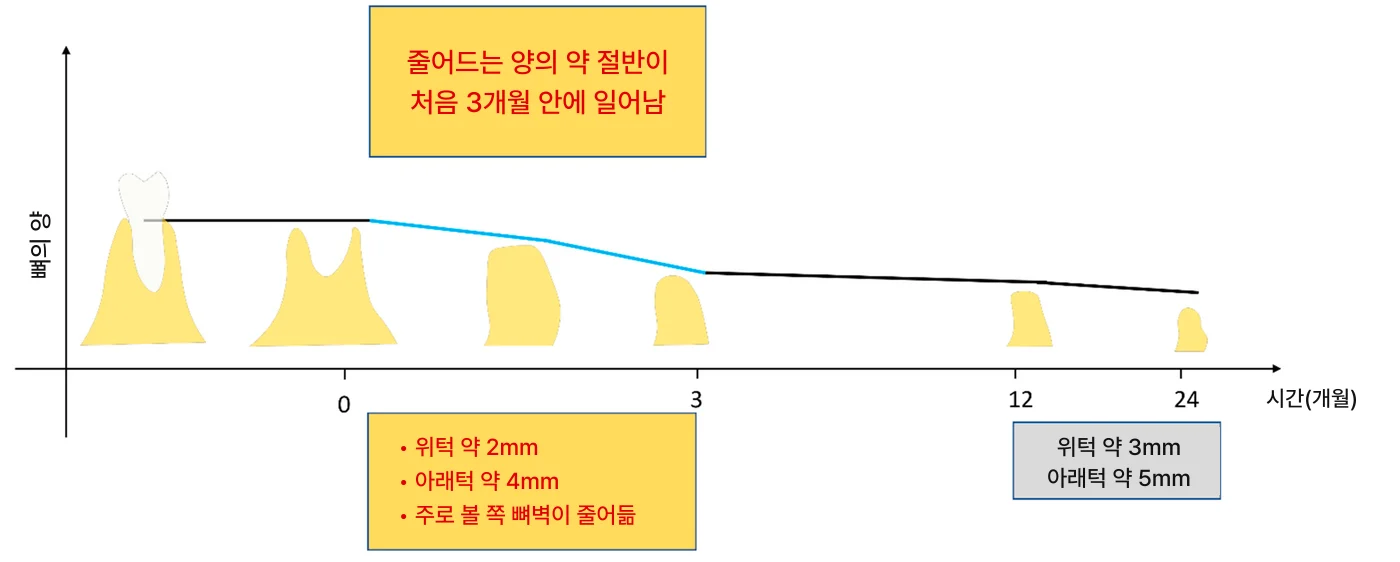
Six Things to Check Before Having a Tooth Extracted
There is a lot to check before an extraction. Here are six things the director goes over with you, from whether the tooth really needs to come out to your medications, medical conditions, and how to replace the missing tooth.
2026.09.19
Saving Natural Teeth
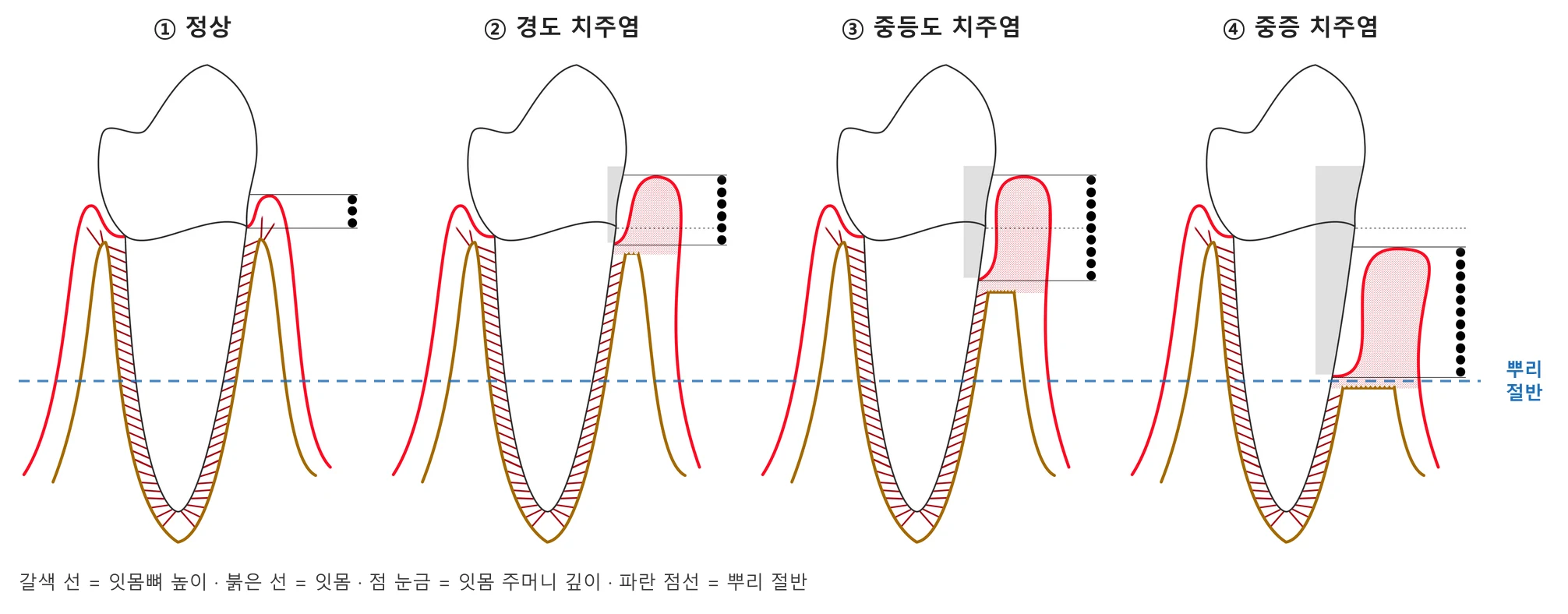
A Loose Tooth: Why We Recommend 3 Months of Gum Treatment Before Extraction
We do not extract a loose tooth on the first day because only after the inflammation settles can we distinguish looseness caused by inflammation from looseness caused by bone loss. This post explains reassessment at about 3 months and when extraction is recommended without waiting.
2026.09.16
TMJ
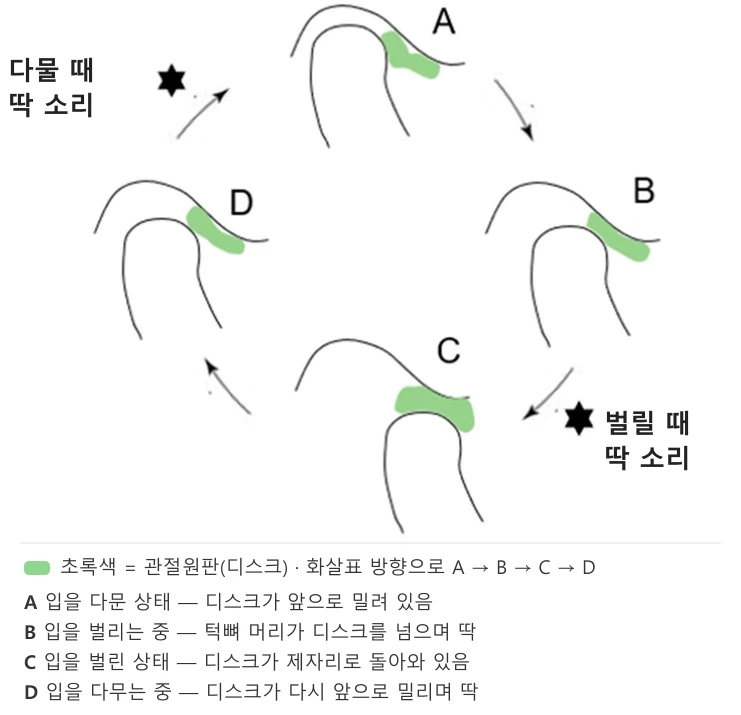
Jaw Clicking: What to Do and What to Avoid
If your jaw clicks when you open your mouth but there is no pain or limited opening, it usually calls for self-care and monitoring. This post explains why it clicks, what to do and avoid at home, and which signs need checking.
2026.09.15
Implants
Swelling and pain after implant surgery: how many days are normal?
Swelling after implant placement usually peaks on days 2~3 and subsides within 1 week. This article covers normal recovery and signs that need another check by day, along with ways to reduce pain and things to avoid.
2026.09.14
Check-ups & Scaling
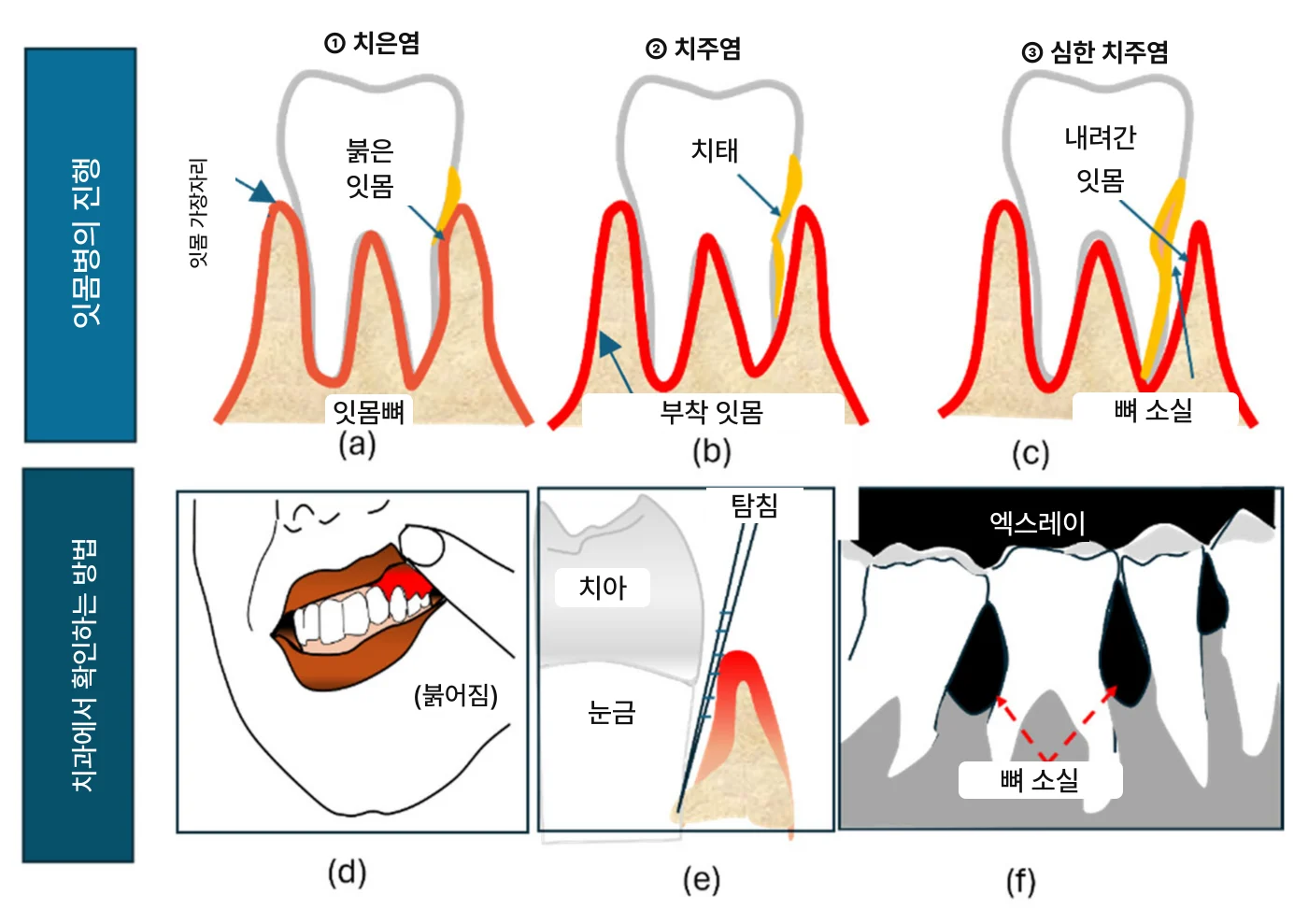
Should You Stop Brushing When Your Gums Bleed? — How to Brush and Signs to Check
Bleeding gums are the earliest sign of gum disease. This post explains why avoiding brushing because of bleeding makes things worse, the causes and responses at each stage, a 2-week care routine, and when to see a dentist.
2026.09.14
Saving Natural Teeth
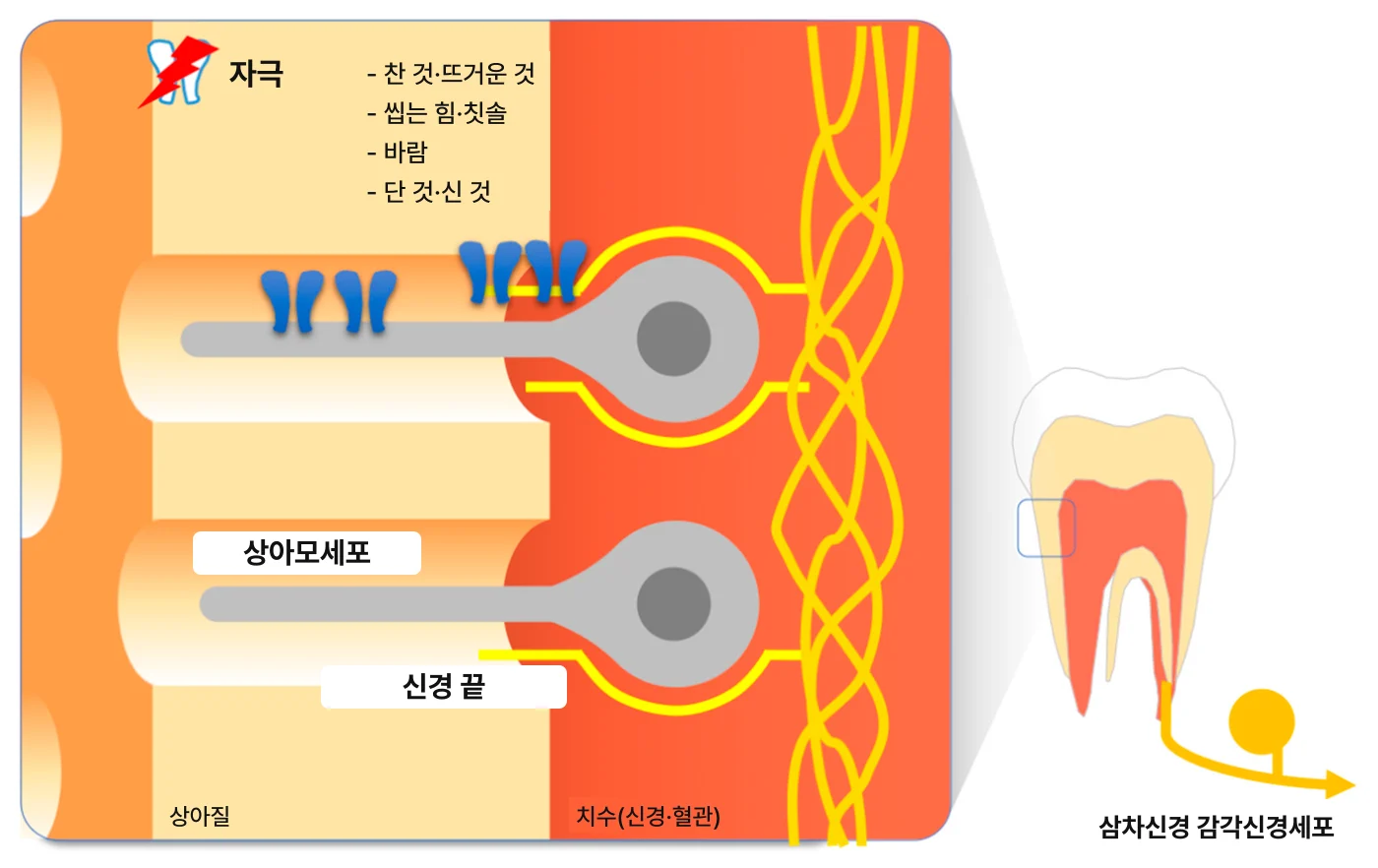
Sensitivity After Cavity Treatment: What Is Within the Normal Range?
Sensitivity to cold after cavity treatment is common and usually decreases within 1~2 weeks. This article explains how long it can be normal, what is different about spontaneous throbbing, and when to see a dentist.
2026.09.13
Wisdom Teeth
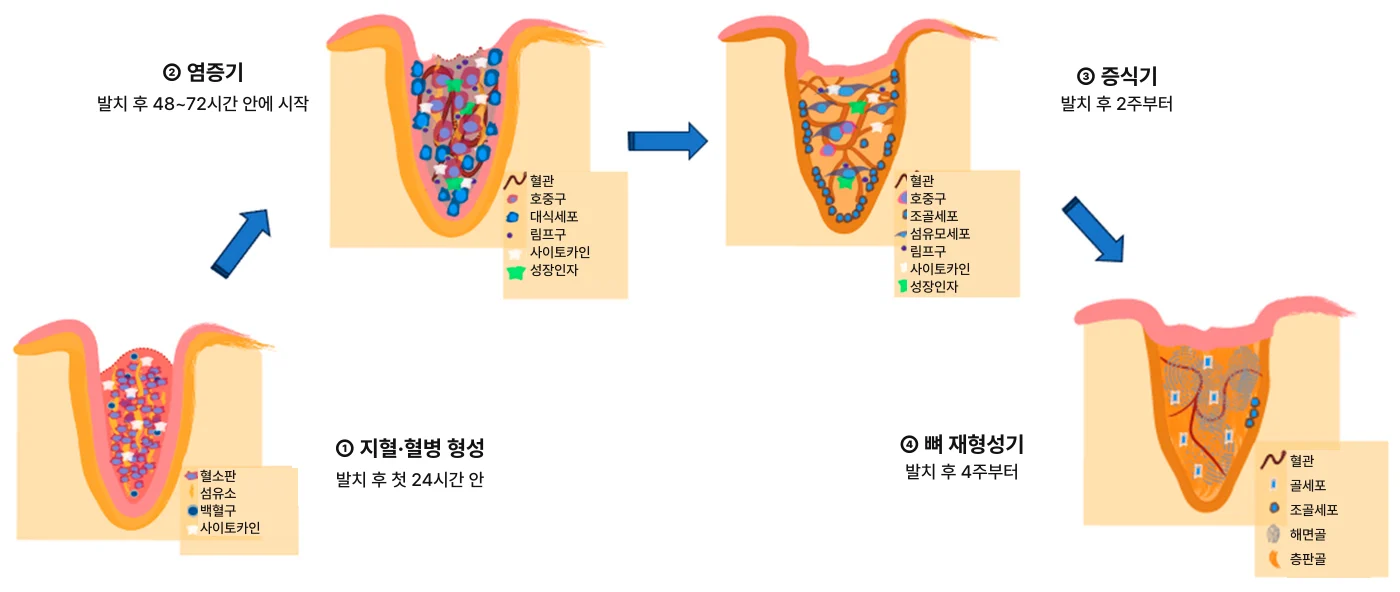
Wisdom Tooth Extraction Aftercare — From Bleeding Control on the Day to Stitch Removal
What to do and avoid after wisdom tooth extraction, in time order: how swelling and pain progress, and the signs that mean you should contact us right away.
2026.09.09
Implants
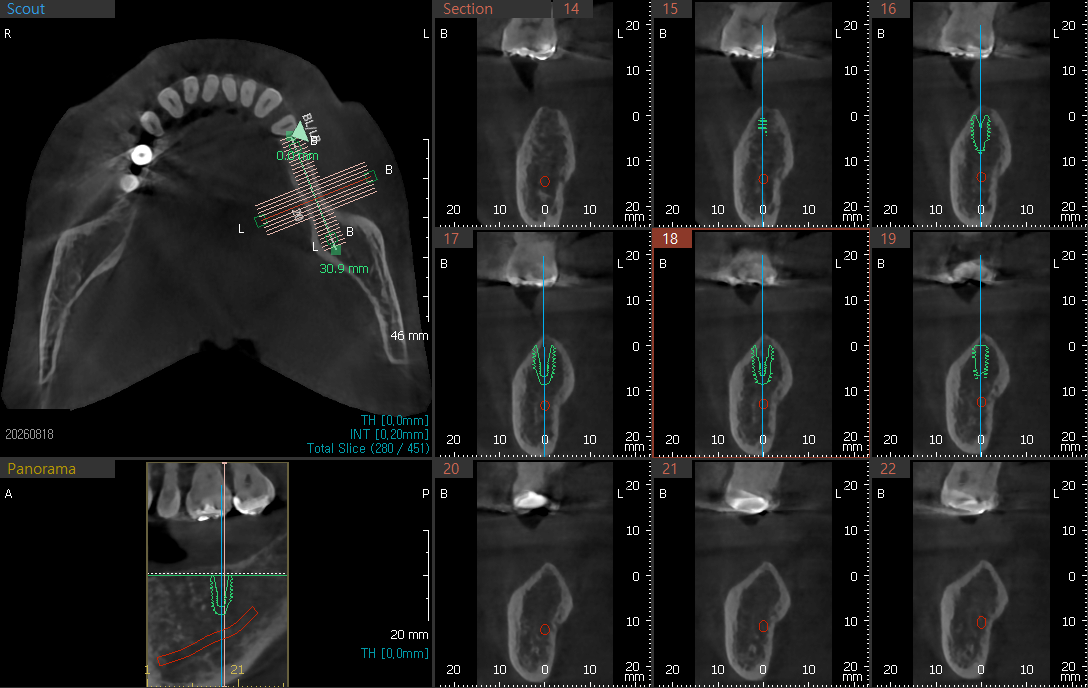
Is there an age limit for dental implants? Can I still get one at an advanced age?
Whether an implant is possible is judged not by age but by the condition of the jawbone, whether diabetes or osteoporosis is under control, and whether you can keep up your own care. This article covers what to check before giving up because of age, and a comparison with dentures and bridges.
2026.09.06
Check-ups & Scaling
Scaling: Why Is It Recommended Every 6 Months? — How the Interval Is Decided
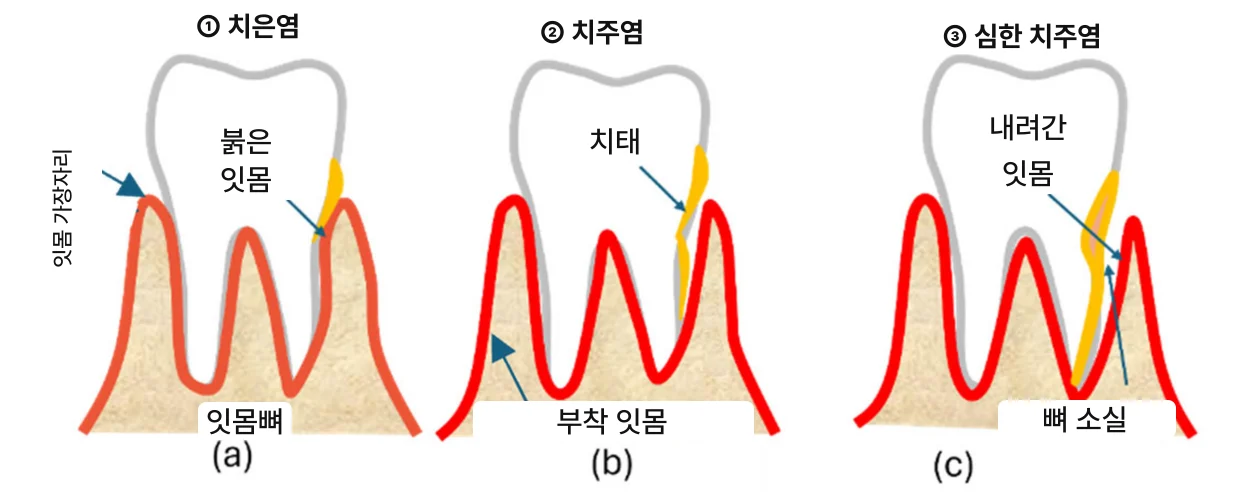
The 6-month interval reflects how quickly tartar that brushing cannot remove and bacterial film in areas a toothbrush cannot reach build up. This article also covers Korean National Health Insurance criteria.
2026.09.01
Dentures
What to Check When Your Denture Keeps Moving
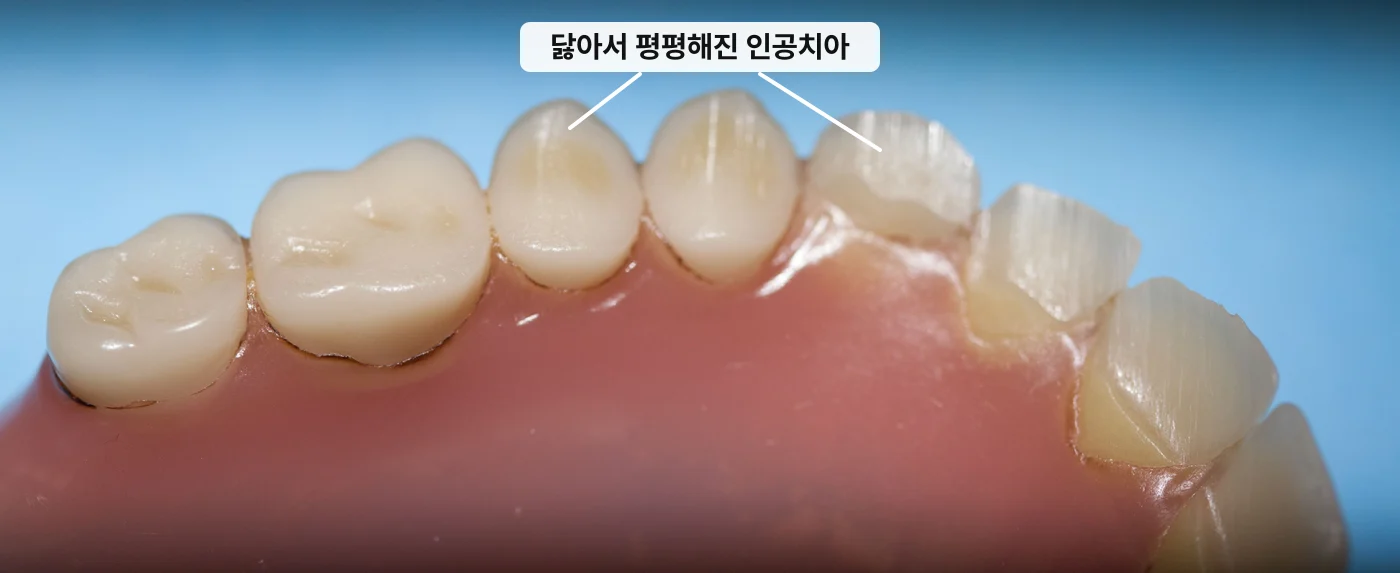
A loose denture does not always need to be replaced. This post explains how we distinguish cases that can be addressed by relining from those that need a new denture.
2026.08.25